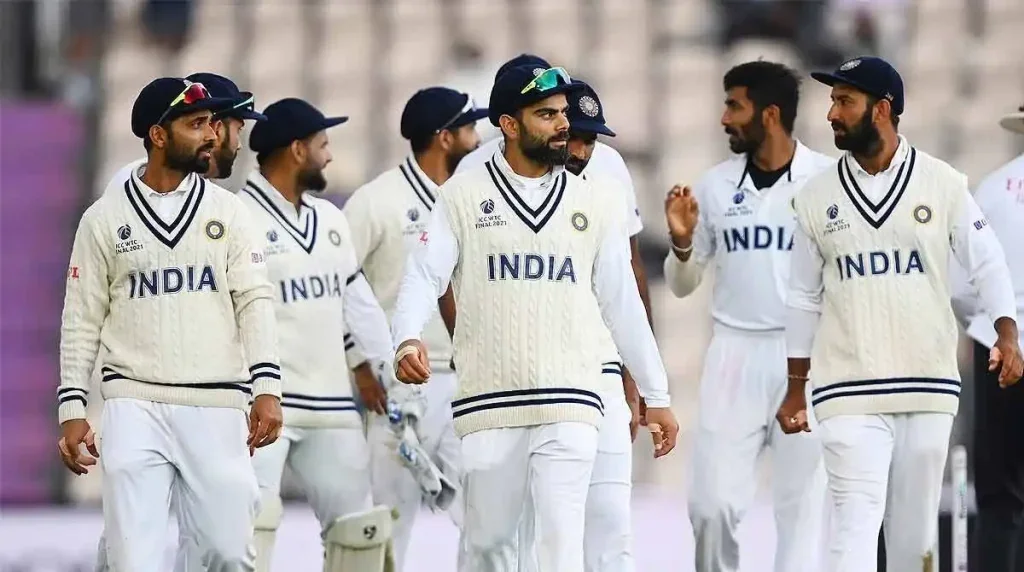

Cricket is a sport rich in tradition, discipline, and history. One of the most iconic symbols of the game is cricket whites, the traditional uniform worn by players in longer formats like Test and first-class cricket. While modern formats such as T20 and ODIs have introduced colorful jerseys, cricket whites continue to represent the purest and most classical form of the game.
Imagine watching a Test match at a historic venue like Lord’s Cricket Ground—players dressed in elegant white uniforms, competing over five days. This classic image reflects not only the sport’s heritage but also its values of patience, skill, and sportsmanship.
In this article, you will learn everything about cricket whites, including their history, purpose, rules, components, and importance in modern cricket. Whether you are a beginner or a passionate cricket fan, this guide will help you understand why cricket whites remain an essential part of the sport.
What Are Cricket Whites?
Cricket whites are the traditional all-white uniform worn by players during Test matches, first-class cricket, and some other long-format games. The white clothing has been a symbol of the sport for more than a century and reflects the heritage, discipline, and traditions of red-ball cricket. Unlike limited-overs formats such as One Day Internationals (ODIs) and T20 matches, where teams wear colored jerseys, players in long-format cricket continue to wear white uniforms.
Simple Explanation
Cricket whites are the complete set of white clothing designed specifically for long-format cricket. A standard cricket whites kit typically includes:
- White cricket shirt
- White cricket trousers
- White cricket sweater or sleeveless vest (optional, especially in cold weather)
- White cricket shoes
- White socks
- White cap or sun hat (optional, depending on playing conditions)
These garments are made from lightweight, breathable fabrics that provide comfort during matches that can last several days.
Why Are They Called “Cricket Whites”?
The term “cricket whites” comes from the traditional white clothing worn by cricketers since the early days of the game. White fabric reflects sunlight better than darker colors, helping players stay cooler during long hours on the field. It also became an iconic part of the game’s culture and remains a defining feature of Test and first-class cricket.
Where Are Cricket Whites Used?
Cricket whites are commonly worn in:
- Test cricket matches
- First-class domestic cricket
- Multi-day county cricket
- Club and school red-ball cricket
- Traditional cricket tournaments
They are generally not used in T20 or ODI matches, where teams wear colored uniforms.
Practical Example
When top international cricketers such as Joe Root or Kane Williamson play Test cricket, they wear traditional cricket whites instead of the colored jerseys used in limited-overs formats. This classic white uniform represents the tradition, prestige, and history of the longest format of the game.
History and Origin of Cricket Whites: From Tradition to Modern Test Cricket
The history of cricket whites is closely linked to the origins of cricket itself. For more than two centuries, white clothing has been the traditional attire for players in Test matches and first-class cricket. Although modern limited-overs formats use colored uniforms, cricket whites remain a symbol of the game’s heritage, sportsmanship, and prestige.
Early Beginnings of Cricket Whites
The tradition of wearing white clothing began in the 18th century, when cricket was primarily played during daylight hours on natural grass pitches. Since there were no floodlights, players spent long hours under the sun, making light-colored clothing the most practical choice. White garments also reflected the formal nature of the sport and became an important part of cricket’s identity.
Why Is White the Traditional Cricket Color?
White was chosen for several practical and historical reasons that are still relevant today.
Reflects Sunlight
White fabric reflects more sunlight than darker colors, helping players stay cooler during long matches that often last several hours or even multiple days.
Comfortable for Long Matches
Test and first-class matches require players to remain on the field for extended periods. Lightweight white clothing provides better comfort and reduces heat absorption.
Symbol of Tradition and Professionalism
Over time, cricket whites became a symbol of discipline, professionalism, fairness, and respect for the traditions of the game. Wearing white is still regarded as an important part of the culture of red-ball cricket.
Evolution of Cricket Whites
Cricket whites have evolved significantly while preserving their traditional appearance.
Early Cricket Uniforms
In the early days, players wore simple white cotton shirts and trousers with very little protective equipment.
Introduction of Additional Clothing
As the game developed, players began wearing:
- White sweaters and sleeveless pullovers for cooler weather.
- White cricket caps and sun hats for protection.
- Specialized cricket shoes designed for better grip and comfort.
Modern Cricket Whites
Today’s cricket whites are manufactured using advanced performance fabrics that provide:
- Improved breathability.
- Moisture-wicking technology.
- Lightweight construction.
- Greater flexibility and comfort.
- Enhanced durability for long playing sessions.
Despite these technological improvements, the traditional all-white appearance has been preserved.
Cricket Whites in Modern Test Cricket
Even in today’s era of colorful T20 and One Day International (ODI) uniforms, Test cricket continues to uphold the tradition of wearing cricket whites. This distinguishes the longest format of the game from limited-overs cricket and preserves its unique identity.
Cricket whites remain an essential feature of prestigious Test series, including The Ashes, where they symbolize the history, excellence, and enduring traditions of international red-ball cricket.
Importance of Cricket Whites Today
Although cricket equipment and playing conditions have evolved dramatically, cricket whites continue to represent the spirit and tradition of the sport. They combine history, functionality, and modern performance technology, making them an enduring symbol of Test cricket and first-class cricket around the world.
Rules and Regulations for Wearing Cricket Whites
Cricket whites are governed by traditional dress standards and official playing conditions for Test matches, first-class cricket, and certain domestic red-ball competitions. These rules ensure that players maintain the sport’s long-standing traditions while presenting a professional appearance on the field.
When Are Cricket Whites Worn?
Cricket whites are mandatory in most long-format cricket competitions. Players wear them in:
- Test matches.
- First-class domestic cricket.
- County Championship matches.
- Multi-day domestic tournaments.
- Club and school red-ball cricket (where required by competition rules).
In contrast, players wear colored uniforms in One Day Internationals (ODIs), T20 Internationals, and most franchise cricket leagues.
Official Guidelines for Cricket Whites
Cricket whites must comply with the regulations of the governing cricket authority and the competition organizers.
Clean and Professional Appearance
Players are expected to wear clean, well-maintained clothing throughout the match. Torn, excessively dirty, or damaged uniforms are generally not permitted unless they become damaged during play.
Minimal Logos and Sponsorship
Modern cricket whites may include:
- National or club team logos.
- Manufacturer logos.
- Approved sponsor logos.
However, the design remains predominantly white, with branding kept within the limits permitted by competition regulations.
Approved Cricket Clothing
Players typically wear:
- White cricket shirt.
- White cricket trousers.
- White cricket sweater or sleeveless vest (optional in cooler weather).
- White cricket shoes with suitable soles.
- White socks and, where applicable, a white cap or sun hat.
The clothing should be comfortable, breathable, and suitable for extended periods of play.
Exception: Day-Night Test Matches
A special exception applies to day-night Test matches. Although players continue to wear traditional cricket whites, the match is played with a pink cricket ball instead of the traditional red ball. The pink ball provides better visibility under floodlights, allowing players, officials, and spectators to follow the game more easily during evening sessions.
Importance of Following Cricket Whites Regulations
Following the rules for cricket whites helps:
- Preserve the traditions of Test and first-class cricket.
- Maintain a professional and uniform appearance.
- Ensure player comfort during long matches.
- Comply with competition and governing body regulations.
- Improve visibility and consistency during play.
The continued use of cricket whites reflects the rich heritage of red-ball cricket while incorporating modern fabrics and performance technology. Even with advancements in equipment and apparel, the iconic all-white uniform remains one of the defining features of the longest and most prestigious format of the game.
Components of Cricket Whites: Essential Clothing and Protective Gear
A complete set of cricket whites consists of several clothing items and protective accessories designed to provide comfort, flexibility, safety, and a professional appearance during Test matches and other long-format cricket games. Modern cricket whites combine traditional design with advanced performance fabrics to help players perform at their best.
1. White Cricket Shirt
The white cricket shirt is the primary part of the cricket whites uniform. It is made from lightweight, breathable fabric that helps players stay cool during long hours on the field.
Features
- Made from breathable and moisture-wicking fabric.
- Allows proper air circulation.
- Lightweight and comfortable for extended play.
- Designed for unrestricted arm and shoulder movement.
- Often includes the team logo and approved sponsor branding.
Benefits
- Keeps players cool and dry.
- Improves comfort during long innings.
- Enhances flexibility while batting, bowling, and fielding.
2. White Cricket Trousers
White cricket trousers are specially designed to provide maximum flexibility and durability while allowing players to run, dive, and field comfortably.
Features
- Stretchable and flexible fabric.
- Reinforced stitching for durability.
- Comfortable fit for unrestricted movement.
- Lightweight material suitable for all-day wear.
Benefits
- Allows easy running between wickets.
- Improves mobility during fielding.
- Provides comfort throughout multi-day matches.
3. Cricket Sweater or Sleeveless Vest
A white cricket sweater or sleeveless vest is worn mainly during cold weather or overcast conditions. These garments maintain the traditional appearance of cricket whites while providing extra warmth.
Features
- Made from lightweight knitted fabric.
- Provides warmth without restricting movement.
- Usually white with team-colored trim or borders.
- Available in full-sleeve and sleeveless designs.
Benefits
- Keeps players comfortable in cool conditions.
- Maintains the traditional look of Test cricket.
- Allows freedom of movement while playing.
4. White Cricket Shoes
White cricket shoes are designed to provide excellent grip, stability, and comfort on natural grass pitches. Most shoes feature removable spikes or rubber studs depending on the playing surface.
Features
- Predominantly white design.
- Metal or rubber spikes for traction.
- Cushioned sole for comfort.
- Strong ankle and heel support.
- Lightweight construction.
Benefits
- Improves grip while running and bowling.
- Reduces the risk of slipping.
- Enhances balance and stability during play.
5. Accessories and Protective Equipment
In addition to clothing, players wear several accessories and protective items that complete the cricket whites kit and ensure safety during the match.
Common Accessories
- White cricket cap or wide-brim sun hat.
- Cricket helmet (for batting and close fielding).
- Batting gloves.
- Batting pads (leg guards).
- Thigh guards.
- Arm guards.
- Abdominal guard (box).
- Wristbands and sweatbands.
Benefits
- Protect players from fast deliveries and injuries.
- Improve comfort and confidence.
- Provide protection while maintaining freedom of movement.
Importance of Cricket Whites Components
Every component of cricket whites is designed to balance comfort, safety, flexibility, and tradition. The white shirt and trousers provide breathable comfort, the sweater or vest offers warmth in cooler conditions, cricket shoes ensure grip and stability, and protective accessories safeguard players from injury. Together, these components create the iconic uniform that has represented Test cricket and first-class cricket for generations while incorporating modern materials and performance-enhancing technology.
Role of Cricket Whites in Gameplay
Cricket whites are much more than a traditional uniform—they play an important role in player comfort, visibility, performance, and professionalism during Test matches and other long-format games. Designed for matches that can last up to five days, cricket whites help players remain comfortable while preserving the rich traditions of the sport.
Improved Visibility on the Field
One of the primary functions of cricket whites is to improve visibility during daytime cricket.
Benefits
- Players can easily identify teammates across the field.
- White clothing provides clear contrast against the green outfield.
- Helps fielders communicate and position themselves effectively.
- Supports better coordination during batting, bowling, and fielding.
Although the red ball is the main object players focus on, the white uniform contributes to overall visibility and organization during play.
Enhanced Player Comfort
Test cricket often involves long hours under the sun, making comfort a critical factor. Modern cricket whites are manufactured using lightweight, breathable fabrics that help regulate body temperature.
Benefits
- Reflect sunlight to reduce heat absorption.
- Improve airflow and ventilation.
- Wick away sweat and moisture.
- Reduce fatigue during extended playing sessions.
- Allow unrestricted movement while batting, bowling, and fielding.
These features help players maintain their performance throughout multi-day matches.
Freedom of Movement
Modern cricket whites are designed with flexible materials that allow players to perform a wide range of movements comfortably.
Benefits
- Easier running between wickets.
- Greater flexibility during bowling actions.
- Improved mobility while fielding and diving.
- Comfortable fit for long periods of play.
This flexibility enhances overall athletic performance without compromising comfort.
Professionalism and Team Identity
Cricket whites create a uniform and disciplined appearance that reflects the traditions of Test cricket.
Benefits
- Promote professionalism on the field.
- Create a consistent team appearance.
- Preserve the heritage and prestige of red-ball cricket.
- Foster unity and discipline among players.
The all-white uniform remains one of the defining characteristics of the longest and most respected format of the game.
Adaptability to Playing Conditions
Cricket whites can be adapted to different weather conditions without changing their traditional appearance.
Examples include:
- White sweaters or sleeveless vests for cooler weather.
- White sun hats or caps for protection during hot conditions.
- Moisture-wicking fabrics for humid environments.
- Layered clothing during early morning or evening sessions.
This adaptability ensures player comfort in varying climates while maintaining the classic look of Test cricket.
Importance of Cricket Whites in Gameplay
The role of cricket whites extends far beyond appearance. They enhance player comfort, improve mobility, support visibility, promote professionalism, and preserve the traditions of Test cricket. By combining modern performance fabrics with a timeless design, cricket whites continue to play an essential role in helping players perform at their best while maintaining the unique identity of the longest format of the game.
Techniques and Performance Benefits of Cricket Whites
Although cricket whites do not directly influence batting, bowling, or fielding strategies, they play an important role in supporting player performance. Modern cricket whites are designed to improve comfort, mobility, and endurance, helping players perform consistently during long-format matches that can last several days.
Comfort Enhances Performance
Comfortable clothing allows players to focus entirely on their game rather than being distracted by heat, restricted movement, or discomfort.
Performance Benefits
- Allows smooth movement during batting, bowling, and fielding.
- Reduces fatigue during long playing sessions.
- Improves flexibility while running between the wickets.
- Helps maintain concentration throughout multi-day matches.
- Moisture-wicking fabric keeps players cool and dry.
Freedom of Movement
Modern cricket whites are manufactured using stretchable, lightweight materials that support natural body movement.
Advantages
- Better footwork while batting.
- Greater flexibility during bowling actions.
- Easier diving and catching while fielding.
- Improved comfort during quick sprints.
Psychological Impact
Cricket whites also have a psychological significance, particularly in Test cricket, where tradition and discipline are highly valued.
Benefits
- Reinforce the heritage and traditions of the game.
- Promote a professional appearance.
- Encourage discipline and team unity.
- Help players mentally prepare for the demands of long-format cricket.
- Create a sense of pride in representing their team.
Player Roles and the Importance of Cricket Whites
Every player in Test cricket wears cricket whites, regardless of their position or role. However, each role places different physical demands on the clothing and protective equipment.
Batsman
Batsmen spend long periods at the crease and require clothing that allows unrestricted movement while remaining comfortable.
Requirements
- Flexible and lightweight shirt and trousers.
- Comfortable fit for stroke play and quick running.
- Breathable fabric to reduce fatigue during long innings.
Bowler
Bowlers repeatedly perform high-intensity actions and need clothing that supports continuous movement.
Requirements
- Stretchable fabric for a full bowling action.
- Lightweight material for long bowling spells.
- Good ventilation to improve comfort.
Wicketkeeper
The wicketkeeper performs constant squatting, jumping, and catching, making flexibility essential.
Requirements
- Comfortable cricket whites with maximum mobility.
- Additional protective equipment such as:
- Wicketkeeping gloves.
- Leg pads.
- Inner gloves.
- Abdominal guard.
Fielders
Fielders must react quickly, dive, throw, and sprint throughout the match.
Requirements
- Lightweight clothing for agility.
- Breathable fabric for all-day comfort.
- Flexible design for unrestricted movement.
Equipment Used Alongside Cricket Whites
Cricket whites are only one part of a complete Test cricket kit. Players wear protective equipment and use specialized cricket gear to improve both safety and performance.
Essential Cricket Equipment
Every cricketer uses the following core equipment during a match:
- Cricket bat.
- Red cricket ball (or pink ball in day-night Tests).
- Batting pads.
- Batting gloves.
- Cricket helmet.
- Cricket shoes with spikes.
- Abdominal guard (box).
Supporting Accessories
Additional accessories help improve comfort and performance during long matches.
Common Supporting Gear
- White cricket cap or sun hat.
- Sunglasses for bright conditions.
- Sweatbands and wristbands.
- Compression innerwear.
- Arm guards and thigh guards.
- Chest guards (when required).
- Water bottles and cooling towels during breaks.
Importance of Cricket Whites and Equipment
Together, cricket whites and protective equipment provide the ideal combination of comfort, safety, flexibility, and performance. While the white uniform preserves the traditions of Test cricket, the accompanying gear protects players from injury and helps them perform at their highest level. This complete kit enables batsmen, bowlers, wicketkeepers, and fielders to compete safely and effectively throughout the demanding nature of long-format cricket.
Major Tournaments Featuring Cricket Whites
Cricket whites are mainly used in traditional formats.
Key Competitions
- ICC World Test Championship
- The Ashes
- Domestic first-class tournaments
These tournaments preserve the classical essence of cricket.
Benefits of Cricket Whites
Physical Benefits
- Keeps players cool
- Reduces heat absorption
- Comfortable for long durations
Mental Benefits
- Enhances focus
- Promotes discipline
- Connects players with cricket tradition
Interesting Facts About Cricket Whites
- White clothing has been used for over 200 years
- Test cricket is the only format where whites are mandatory
- Sweaters often include team color stripes
- Players prefer lightweight modern fabrics today
Cricket Whites vs Colored Jerseys
| Feature | Cricket Whites | Colored Jerseys |
|---|---|---|
| Format | Test matches | T20 & ODI |
| Color | White | Multi-color |
| Purpose | Tradition & comfort | Entertainment & branding |
| Visibility | Day matches | Night matches |
| Style | Classic | Modern |
Key Difference
The difference between cricket whites and colored jerseys lies in tradition vs modern entertainment formats.
Modern Innovations in Cricket Whites
Although the traditional appearance of cricket whites has remained largely unchanged, modern technology has significantly improved their comfort, durability, and performance. Today’s cricket apparel is designed using advanced fabrics and manufacturing techniques that help players perform better during long-format matches while maintaining the classic all-white look.
Advanced Fabric Technology
Modern cricket whites are made from high-performance materials that enhance comfort and reduce physical fatigue.
Key Features
- Moisture-wicking fabrics that absorb and evaporate sweat quickly.
- Lightweight materials for greater comfort during long innings.
- Breathable fabric that improves airflow and ventilation.
- Stretchable construction for unrestricted movement.
- Quick-drying technology for humid and hot conditions.
UV Protection
Many premium cricket whites now include built-in UV protection, helping reduce exposure to harmful sunlight during long hours on the field.
Benefits
- Protects players from ultraviolet (UV) rays.
- Reduces heat absorption.
- Increases comfort during daytime matches.
- Supports extended outdoor performance.
Improved Fit and Flexibility
Modern sportswear technology has improved the design of cricket whites to provide better mobility for all player roles.
Advantages
- Greater flexibility while batting, bowling, and fielding.
- Ergonomic fit that supports natural body movement.
- Reduced fabric weight without sacrificing durability.
- Improved comfort during multi-day matches.
Sustainable Manufacturing
Several leading sports apparel manufacturers are adopting environmentally friendly production methods.
Modern Developments
- Recycled performance fabrics.
- Eco-friendly manufacturing processes.
- Durable materials with longer service life.
- Reduced environmental impact.
Performance-Focused Design
Today’s cricket whites combine traditional styling with modern engineering to help players perform at their best while maintaining the heritage of Test cricket.
Challenges and Limitations of Cricket Whites
Despite their many advantages, cricket whites also have certain practical limitations that players and teams must manage.
Easily Become Dirty
Because of their white color, cricket uniforms easily show grass stains, mud, sweat, and ball marks, especially during diving catches and sliding stops.
Require Frequent Washing
Cricket whites need regular cleaning to maintain their bright appearance and professional look throughout long tournaments.
Limited Use in Night Matches
Traditional cricket whites are designed primarily for daytime cricket. In day-night Test matches, players continue to wear white clothing, but a pink cricket ball is used because it is much easier to see under floodlights than the traditional red ball.
Limited Space for Commercial Branding
Compared with the colorful jerseys used in T20 leagues and One Day Internationals, cricket whites provide less visual impact for sponsors and offer more limited space for logos and commercial branding.
Higher Maintenance Costs
Professional players and teams often require multiple sets of cricket whites to maintain a clean appearance throughout long Test series, increasing clothing maintenance and replacement costs.
Why Cricket Whites Still Matter Today
Despite the growing popularity of T20 leagues and colored uniforms, cricket whites continue to hold a special place in the sport. They remain one of the strongest symbols of Test cricket, representing the traditions, discipline, and prestige of the game’s longest format.
Preserve Cricket’s Rich Tradition
Cricket whites have been part of the sport for over two centuries. Wearing them connects today’s players with generations of legendary cricketers and preserves the history of red-ball cricket.
Represent the Purest Format of Cricket
Test cricket is widely regarded as the ultimate examination of a player’s skill, patience, technique, endurance, and mental strength. The traditional white uniform reflects the unique character and timeless values of this format.
Promote Professionalism and Discipline
The all-white dress code creates a clean, uniform appearance that reinforces professionalism, respect for the game, and team unity. It remains an important part of cricket’s culture and identity.
Enhance Player Comfort
Modern cricket whites combine traditional styling with advanced fabric technology, providing improved breathability, flexibility, moisture management, and comfort during matches that can last up to five days.
A Symbol of Excellence
For many cricketers, earning the opportunity to wear cricket whites at the international level is considered one of the highest achievements in the sport. The white uniform symbolizes dedication, excellence, and success in Test cricket, which continues to be regarded by players and fans as the most prestigious and demanding format of the game.
Conclusion
Cricket whites are more than just a uniform—they are a symbol of tradition, discipline, and the rich history of cricket. From their origins in early cricket to their continued use in modern Test matches, they represent the true spirit of the game. While shorter formats have introduced colorful jerseys, cricket whites remain unmatched in their elegance and significance.
They provide comfort, improve performance, and maintain a professional appearance on the field. Whether it is a legendary match at Lord’s or a modern Test series, cricket whites continue to connect players and fans to the roots of cricket.
For anyone passionate about the sport, understanding cricket whites helps appreciate the beauty and tradition of Test cricket even more.