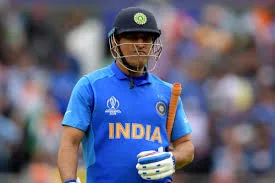
MS Dhoni retirement marks one of the most emotional moments in Indian cricket history. The legendary captain, known simply as “MSD” or “Captain Cool,” announced his retirement from international cricket on 15 August 2020. Since then, fans have followed his journey closely, especially in the Indian Premier League (IPL) with Chennai Super Kings (CSK). As of April 2026, Dhoni continues to play in the IPL at the age of 44, though he is currently recovering from a calf strain and has missed the early matches of IPL 2026. Many experts believe this could be his final season before full retirement.
In this in-depth article, we explore MS Dhoni’s incredible career, his decision to retire from international cricket, his lasting impact, and what the future may hold. This guide is perfect for cricket fans, young players, students, and anyone who wants to understand why Dhoni remains one of the greatest leaders and finishers the game has ever seen.
MS Dhoni Early Life and Rise to Stardom
Mahendra Singh Dhoni, popularly known as MS Dhoni or Captain Cool, was born on 7 July 1981 in Ranchi, Jharkhand. He grew up in a modest family. His father, Pan Singh, worked at MECON Limited, while his mother, Devaki Devi, was a homemaker.
Dhoni developed an interest in sports at an early age. Before becoming a professional cricketer, he was a talented football goalkeeper and played for his school team. His skills as a goalkeeper eventually helped him transition into wicketkeeping when his cricket coach noticed his potential.
Dhoni began his cricket career as a wicketkeeper-batsman, representing Bihar and later Jharkhand in domestic cricket. His performances earned him a place in the India A team. During the 2004 tour of Kenya, he impressed selectors with his aggressive batting, including a century that helped bring him into the national spotlight.
He made his ODI debut for India against Bangladesh in December 2004. His powerful batting, sharp wicketkeeping and calm personality soon established him as one of India’s most exciting young cricketers.
From Small-Town Cricketer to Indian Cricket Star
MS Dhoni’s journey to international cricket was not easy. Before achieving fame, he worked for the Indian Railways while continuing to pursue his cricketing ambitions.
His major breakthrough came in 2005 against Pakistan when he scored a remarkable 148 runs, showcasing his aggressive batting style and ability to perform under pressure.
His performances quickly strengthened his position in the Indian team, and in 2007 he was appointed captain of India’s T20I side. This marked the beginning of one of the most successful MS Dhoni captaincy eras in Indian cricket.
MS Dhoni Retirement from International Cricket
On 15 August 2020, MS Dhoni announced his retirement from international cricket through a social media post. His decision came more than a year after India’s semi-final defeat to New Zealand in the 2019 ICC Cricket World Cup.
At the age of 39, Dhoni brought an end to his international career after representing India across all three formats. He had previously retired from Test cricket in December 2014.
Why Did MS Dhoni Retire From International Cricket?
Dhoni’s retirement marked the end of an extraordinary international career that included major victories and leadership achievements. Rather than continuing indefinitely, he chose to step away from international cricket and focus on the next stage of his career.
Although he retired from international cricket, MS Dhoni continued playing in the IPL for Chennai Super Kings (CSK) and remained closely connected with the sport.
Shirt, Bat and Gloves
Shirt
MS Dhoni apni cricket shirt mein hamesha ek professional aur confident look mein nazar aate the. India ki taraf se khelte waqt woh team ki official blue jersey pehente the, jabke IPL mein Chennai Super Kings ki yellow jersey unki pehchan ban gayi. Unki jersey par unka naam “Dhoni” aur jersey number “7” likha hota tha. Number 7 unke cricket career ka mashhoor hissa hai.
Bat
Dhoni ek powerful right-handed batsman the aur unka bat unke aggressive batting style ka important hissa tha. Woh aksar heavy bat use karte the, jis se unhein powerful shots khelne mein madad milti thi. Unka helicopter shot duniya bhar mein mashhoor hua. Dhoni death overs mein apne bat ki power aur timing se lambe sixes lagane ke liye bhi jaane jaate the.
Gloves
Wicketkeeper ke taur par Dhoni ke gloves bhi unke cricket equipment ka bohat important hissa the. Woh specially designed wicketkeeping gloves pehente the, jo ball ko safely catch karne aur wicket ke peeche fast movements mein madad dete the. Dhoni ki lightning-fast stumpings unki wicketkeeping ki sabse mashhoor qualities mein se ek thi. Unke gloves unhein catches lene aur batsman ko jaldi out karne mein support karte the.
MS Dhoni Captaincy Record and Leadership Style
MS Dhoni’s captaincy is one of the defining parts of his cricket career. He was known for his calm decision-making, confidence in his players and ability to handle pressure during crucial matches.
Major Trophies Won by MS Dhoni as Captain
- 2007 ICC T20 World Cup – India won the inaugural men’s T20 World Cup.
- 2011 ICC Cricket World Cup – India won the ODI World Cup after a 28-year wait.
- 2013 ICC Champions Trophy – India won another major ICC title under Dhoni.
- Asia Cup and bilateral series victories – Dhoni also led India to success in several other international competitions.
His ability to stay composed during difficult situations earned him the famous “Captain Cool” nickname. Dhoni was also renowned for his finishing ability, often taking responsibility with the bat when India needed runs in pressure situations.
His leadership combined calmness, tactical decision-making and trust in his players, making MS Dhoni one of the most influential captains in Indian cricket.
MS Dhoni Playing Style and Key Techniques
MS Dhoni was a right-handed middle-order batsman and one of the most successful wicketkeeper-batsmen in international cricket. His adaptable playing style made him effective across formats, although he became especially famous for his performances in ODI and T20 cricket.
MS Dhoni Batting Technique
Dhoni was famous for his trademark helicopter shot, a powerful wristy stroke played toward the leg side. His ability to generate power and score quickly made him one of cricket’s most recognized finishers.
He often preferred to take the game deep before accelerating during the final overs. His excellent hand-eye coordination, strong wrists and ability to remain calm under pressure allowed him to finish many important matches for India and Chennai Super Kings.
MS Dhoni Wicketkeeping Skills
Behind the stumps, Dhoni was renowned for his lightning-fast glove work and stumpings. He finished his international career with 839 dismissals, including 123 ODI stumpings, the most in ODI cricket.
His quick reactions were particularly valuable against spin bowling. Dhoni was also comfortable standing close to the wickets when required, demonstrating confidence and excellent reflexes.
MS Dhoni Game Awareness and Strategy
One of the defining features of MS Dhoni’s playing style was his ability to understand match situations. As captain, he became known for unconventional field placements, bowling changes and tactical decisions.
With the bat, he was also skilled at managing the required run rate, rotating the strike and choosing the right moment to attack. This combination of game awareness, finishing ability and leadership became a major part of his cricketing identity.
MS Dhoni Major Tournaments and Achievements
MS Dhoni’s career includes some of the most memorable achievements in Indian cricket.
- Led India to the 2007 ICC Men’s T20 World Cup title.
- Captained India to the 2011 ICC Cricket World Cup title.
- Led India to the 2013 ICC Champions Trophy.
- Guided India to the No. 1 position in the ICC Test rankings in 2009.
- Scored an unbeaten 91 in the 2011 World Cup final against Sri Lanka, finishing the chase with a six.
- Finished his international career with 17,266 runs and 839 dismissals across formats.
In the IPL, Dhoni has been closely associated with Chennai Super Kings (CSK) since the tournament’s beginning, apart from the period when the franchise was suspended. He has led CSK to five IPL titles, in 2010, 2011, 2018, 2021 and 2023.
MS Dhoni Career Statistics
The following figures summarize Dhoni’s international batting career:
| Format | Matches | Runs | Average | Highest Score |
|---|---|---|---|---|
| Tests | 90 | 4,876 | 38.09 | 224 |
| ODIs | 350 | 10,773 | 50.57 | 183* |
| T20Is | 98 | 1,617 | 37.60 | 56 |
Dhoni also made a significant impact as a wicketkeeper. His international career included 839 dismissals, while his 123 ODI stumpings remain a format record.
MS Dhoni Cricket Equipment and Fitness
Dhoni was known for using practical cricket equipment suited to his aggressive batting and wicketkeeping style.
- A powerful cricket bat designed for controlled big hitting.
- High-quality wicketkeeping gloves for flexibility and grip.
- Standard protective equipment such as a helmet, pads and thigh guard.
- Cricket gear focused on comfort and performance rather than unnecessary complexity.
Outside cricket, Dhoni has also been well known for his interest in motorcycles and fitness. His athletic lifestyle and commitment to maintaining physical conditioning supported his long career at the highest level.
Benefits of Learning From MS Dhoni’s Playing Style
Young cricketers can learn several useful lessons from MS Dhoni’s
Conclusion
The MS Dhoni retirement from international cricket in 2020 was the end of one glorious chapter, but his journey in the IPL continues to bring joy to millions. From a small-town boy to a World Cup-winning captain, Dhoni’s story is about talent, hard work, belief, and staying cool when it matters most.
Whether he plays a few more matches in IPL 2026 or retires soon after, his legacy will live on. Young cricketers can learn from his techniques, leadership, and humility. Indian cricket will always remember Captain Cool for the unforgettable memories he created.
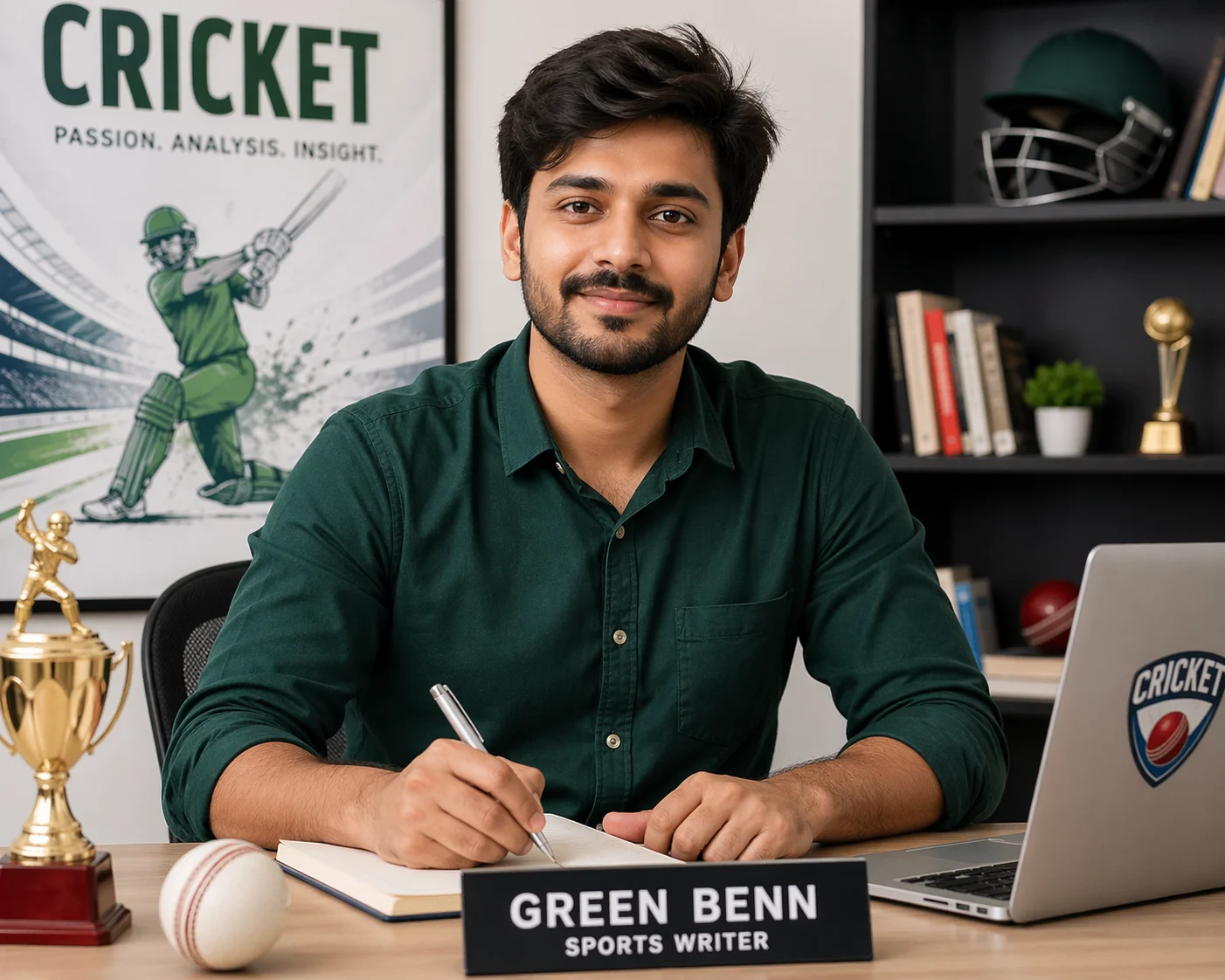
Green Benn is a dedicated sports writer specializing in cricket, including IPL and international formats. Known for clear, engaging, and informative content, Green simplifies complex match analysis and player statistics for all readers. Passionate about sports storytelling, Green delivers reliable, SEO-friendly articles that keep fans updated and informed