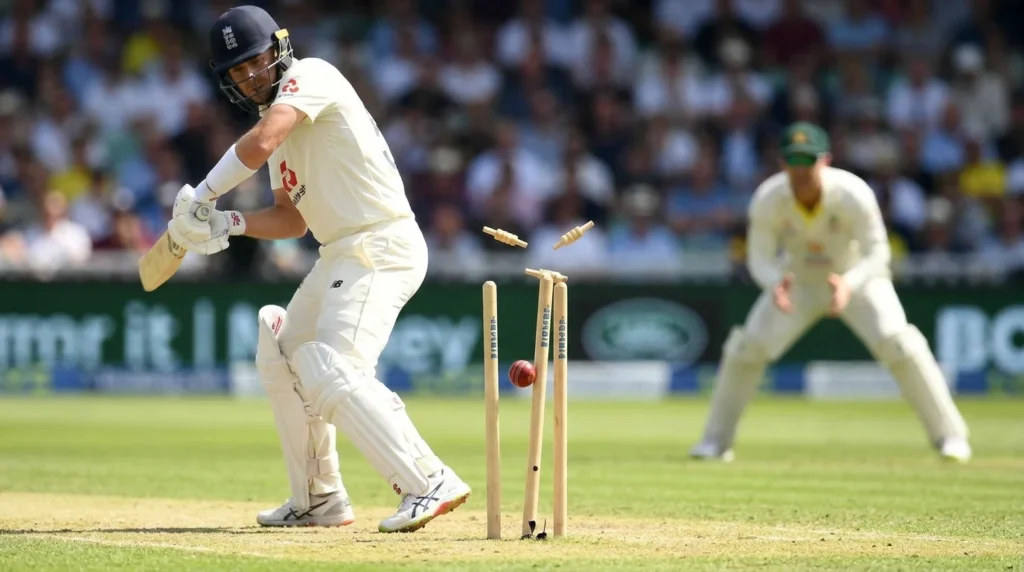
Cricket is one of the most popular sports in the world, enjoyed by millions of fans across countries like India, Australia, England, and Pakistan. Among the many ways a batter can get out in cricket, “Bowled” is considered one of the most exciting and skillful dismissals. It shows the bowler’s accuracy, pace, spin, and intelligence. When a batter is bowled, the ball hits the stumps and removes the bails, ending the batter’s innings immediately.
The bowled dismissal is respected in cricket because it directly demonstrates the bowler’s ability to beat the batter’s defense. Whether it is a fast yorker, a swinging delivery, or a spinning ball, getting a batter bowled often changes the momentum of a match. This article explains everything about bowled in cricket, including its rules, history, techniques, famous examples, player roles, equipment, and interesting facts.
What Does Bowled Mean in Cricket?
In cricket, a batter is declared “bowled” when the ball delivered by the bowler hits the wicket and dislodges at least one bail. The batter is out even if the ball touches the bat, gloves, or pads before hitting the stumps, provided no other player touches the ball first.
Bowled is one of the oldest and most straightforward methods of dismissal in cricket. It highlights the battle between the bowler and the batter.
Basic Definition of Bowled
A batter is out bowled when:
- The bowler delivers a legal ball.
- The ball strikes the stumps.
- At least one bail falls from the wicket.
If these conditions are met, the umpire immediately gives the batter out.
Why Bowled Is Important
Bowled dismissals are important because they:
- Show the bowler’s skill and control.
- Break strong batting partnerships.
- Increase team confidence.
- Create pressure on the batting side.
- Entertain cricket fans with dramatic moments.
History and Origin of Bowled Dismissal
The bowled dismissal has existed since the early days of cricket in England during the 16th and 17th centuries. Early cricket rules already included hitting the stumps as a valid way to dismiss a batter.
In old cricket matches, bowlers mainly rolled the ball along the ground. Over time, bowlers developed advanced skills such as swing, seam movement, pace, and spin. These improvements made bowled dismissals more common and exciting.
Evolution of Bowling Techniques
Cricket bowling has changed significantly over the years:
- Underarm bowling was used in early cricket.
- Round-arm bowling became popular in the 19th century.
- Overarm bowling later became official.
- Modern cricket introduced reverse swing, doosra, carrom ball, and slower deliveries.
These developments increased the chances of bowlers dismissing batters by hitting the stumps.
Rules of Bowled in Cricket
The laws of cricket clearly explain when a batter is bowled. The dismissal only counts if the delivery is legal and the wicket is broken correctly.
Conditions for a Bowled Dismissal
The batter is out bowled if:
- The ball is legal.
- The ball touches the stumps.
- The wicket is put down.
- No fielder touches the ball before it hits the wicket.
When Bowled Does Not Count
A batter is not out bowled if:
- The delivery is a no-ball.
- A fielder touches the ball before it hits the stumps.
- The wicket is already broken before impact.
Bowled After Touching the Bat
Sometimes the ball hits the bat or pads before crashing into the stumps. The batter is still out because the ball directly broke the wicket without outside interference.
Types of Deliveries That Lead to Bowled Dismissals
Different bowling styles can produce bowled dismissals. Skilled bowlers use speed, movement, and deception to beat the batter.
Fast Bowling
Fast bowlers use pace and swing to attack the stumps.
Yorkers
Yorkers land near the batter’s feet and are difficult to defend. They are one of the best deliveries for getting batters bowled.
Famous fast bowlers known for yorkers include:
- Waqar Younis
- Lasith Malinga
- Jasprit Bumrah
Swing Bowling
Swing bowlers move the ball in the air to deceive batters. Inswing deliveries often crash into the stumps.
Spin Bowling
Spin bowlers trick batters using turn and flight.
Off-Spin
An off-spinner turns the ball into a right-handed batter, aiming for gaps between bat and pad.
Leg-Spin
Leg-spinners turn the ball sharply away from the batter and sometimes spin it back unexpectedly.
Famous spinners include:
- Shane Warne
- Muttiah Muralitharan
- Anil Kumble
Techniques Used to Bowl a Batter
Successful bowlers use several strategies to dismiss batters.
Accurate Line and Length
Bowlers target the stumps with consistent deliveries. Good line and length force mistakes from the batter.
Swing and Seam Movement
Swing and seam movement make the ball unpredictable. Batters often misjudge the direction and leave gaps.
Variation in Pace
Changing speed confuses batters and disrupts timing.
Reading the Batter
Smart bowlers study:
- Batting stance
- Foot movement
- Weak areas
- Shot selection
This helps them plan wicket-taking deliveries.
Role of Bowlers in Cricket
Bowlers are essential members of every cricket team. Their main job is to stop runs and take wickets.
Fast Bowlers
Fast bowlers rely on:
- Pace
- Bounce
- Swing
- Aggression
They often attack with short balls and yorkers.
Spin Bowlers
Spin bowlers depend on:
- Turn
- Flight
- Accuracy
- Patience
They create pressure by tempting batters into mistakes.
All-Rounders
All-rounders contribute with both batting and bowling. Many all-rounders achieve important bowled dismissals during matches.
Equipment Used in Bowling
Cricket equipment helps bowlers and batters perform safely and effectively.
Cricket Ball
The cricket ball is made from cork covered with leather. Bowlers use the seam to create movement.
Cricket Stumps and Bails
The wicket consists of:
- Three stumps
- Two bails
Bowled dismissals occur when these bails fall.
Protective Gear
Batters wear:
- Helmet
- Pads
- Gloves
- Thigh guards
These protect them from fast deliveries.
Famous Bowled Dismissals in Cricket History
Many legendary cricket moments involve spectacular bowled dismissals.
Shane Warne’s Ball of the Century
In 1993, Shane Warne bowled Mike Gatting with a magical leg-spin delivery that became famous worldwide.
Wasim Akram’s Reverse Swing
Wasim Akram mastered reverse swing and bowled many top batters with late movement.
Jasprit Bumrah’s Yorkers
Modern cricket fans admire Jasprit Bumrah for deadly yorkers in limited-overs cricket.
Bowled in Different Cricket Formats
The importance of bowled dismissals changes across cricket formats.
Test Cricket
In Test cricket, bowlers use patience and strategy to bowl batters over long spells.
One Day Internationals (ODIs)
In ODIs, bowlers aim to control scoring while targeting wickets.
T20 Cricket
In T20 cricket, yorkers and slower balls are highly effective for bowling batters during death overs.
Popular cricket events include:
- ICC Cricket World Cup
- ICC T20 World Cup
- Indian Premier League
- Big Bash League
Strategies to Avoid Getting Bowled
Batters train hard to protect their stumps and avoid bowled dismissals.
Proper Footwork
Good foot movement helps batters reach the ball safely.
Defensive Technique
Batters keep the bat close to the pads to avoid gaps.
Watching the Ball Carefully
Concentration improves reaction time and shot selection.
Understanding Bowlers
Experienced batters study bowling patterns and variations.
Benefits of Bowling Practice
Bowling practice provides many physical and mental benefits.
Physical Benefits
Bowling improves:
- Fitness
- Strength
- Coordination
- Flexibility
- Endurance
Mental Benefits
Cricket also develops:
- Confidence
- Discipline
- Patience
- Decision-making
- Teamwork
Common Bowling Mistakes
New bowlers often struggle with consistency.
Poor Line and Length
Inaccurate bowling allows batters to score easily.
Lack of Control
Some bowlers bowl too fast without maintaining accuracy.
Predictable Deliveries
Repeating the same delivery helps batters prepare.
Weak Fitness
Bowling requires stamina and physical strength.
Interesting Facts About Bowled Dismissals
Here are some exciting facts about bowled in cricket:
- Bowled is one of cricket’s oldest dismissal methods.
- Yorkers are among the hardest balls to defend.
- Spin bowlers often bowl batters through the gap between bat and pad.
- Reverse swing became highly popular during the 1980s and 1990s.
- Some bowlers specialize in hitting the stumps consistently.
- Wet conditions sometimes help swing bowlers produce bowled dismissals.
How Technology Helps Bowlers
Modern cricket technology improves bowling analysis and performance.
Video Analysis
Coaches study bowling actions and batting weaknesses using video software.
Speed Guns
Speed guns measure bowling pace accurately.
Ball Tracking Technology
Systems like Hawk-Eye help analyze swing, seam, and impact points.
Why Fans Love Bowled Dismissals
Cricket fans enjoy bowled dismissals because they are dramatic and visually exciting. Seeing the stumps shattered or the bails flying creates unforgettable moments. It also reflects the bowler’s intelligence and skill.
Television replays, slow-motion cameras, and crowd reactions make these moments even more entertaining.
Conclusion
Bowled is one of the most respected and thrilling dismissals in cricket. It represents the true contest between bowler and batter. Whether produced by pace, swing, seam, or spin, a bowled dismissal highlights precision, strategy, and talent.
From legendary bowlers like Shane Warne and Wasim Akram to modern stars like Jasprit Bumrah, bowlers continue to entertain fans with unforgettable wicket-taking deliveries. Understanding bowled dismissals helps beginners appreciate the technical and exciting side of cricket even more.

Green Benn is a dedicated sports writer specializing in cricket, including IPL and international formats. Known for clear, engaging, and informative content, Green simplifies complex match analysis and player statistics for all readers. Passionate about sports storytelling, Green delivers reliable, SEO-friendly articles that keep fans updated and informed