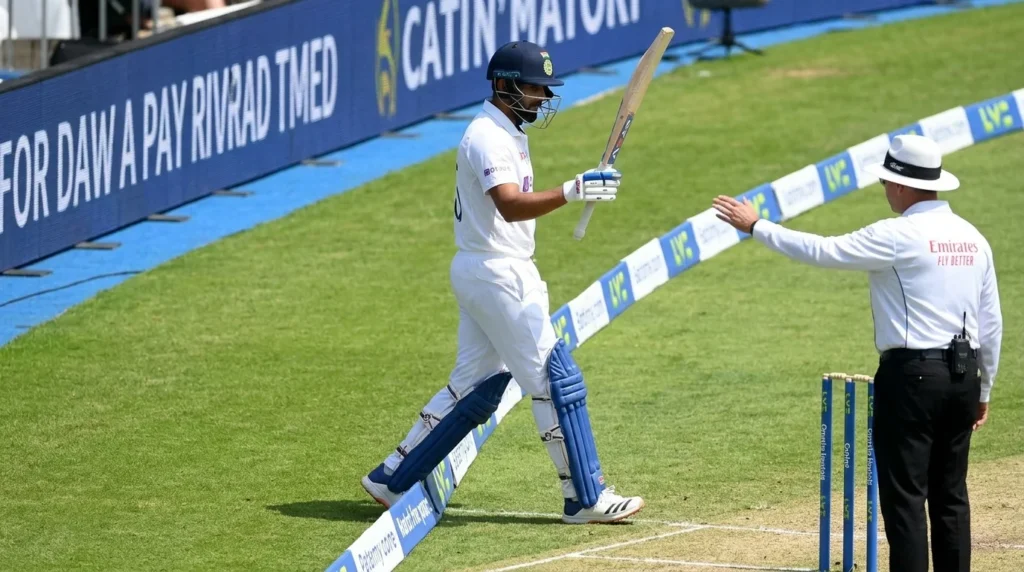

Cricket is one of the world’s most popular sports, known for its unique rules, exciting gameplay, and strong teamwork. During a cricket match, every player has an important role on the field. However, there are situations where a player may leave the field temporarily or permanently during a match. This situation is commonly referred to as “Player Leaving the Field in Cricket.”
A player can leave the field for many reasons, including injury, illness, equipment problems, personal emergencies, or tactical decisions by the team management. Cricket laws also contain specific rules regarding substitutes, player replacement, and re-entry into the game.
Understanding the rules related to player leaving the field is important for beginners, students, coaches, and cricket fans. It helps people better understand match situations, team strategies, and player responsibilities during international and domestic cricket matches.
History of Substitutes and Player Replacement in Cricket
Early Cricket Rules
In the early years of cricket, substitution rules were very limited. If a player became injured or sick, teams often had to continue with fewer players. This created difficulties, especially in long matches.
Over time, cricket authorities introduced substitute fielders to maintain fairness and improve match quality.
Modern Cricket Developments
Modern cricket has evolved significantly. Today, cricket includes detailed laws for:
- Substitute fielders
- Concussion replacements
- Injury replacements
- Temporary exits
- COVID-era substitutions
Organizations like the International Cricket Council regularly update these rules to improve player safety and fairness.
Common Reasons for Player Leaving the Field in Cricket
Injury During the Match
One of the most common reasons for leaving the field is injury. Cricket players may suffer injuries while:
- Batting
- Bowling
- Fielding
- Diving for catches
- Running between wickets
Fast bowlers especially face physical stress because of repeated running and bowling actions.
Illness or Health Problems
Players sometimes feel unwell during matches due to:
- Fever
- Dehydration
- Heat exhaustion
- Stomach problems
- Fatigue
In hot conditions, players may temporarily leave the field for medical treatment.
Equipment Damage
A player may leave the field if equipment becomes damaged. Examples include:
- Broken bat
- Damaged helmet
- Torn gloves
- Shoe problems
The player usually returns quickly after replacing the equipment.
Personal Reasons
Sometimes players leave the field because of family emergencies or personal situations. Cricket authorities and teams usually handle these situations respectfully.
Tactical Team Decisions
In some cases, captains or coaches may temporarily remove players for tactical reasons, especially during long matches or extreme weather conditions.
Rules for Player Leaving the Field in Cricket
Laws of Cricket
The official Laws of Cricket are managed by the Marylebone Cricket Club, commonly called MCC.
According to cricket laws:
- Players can temporarily leave the field with umpire permission.
- Teams may use substitute fielders.
- Batting and bowling restrictions may apply after returning.
Umpire Permission
A player should normally inform the umpire before leaving the field. The umpire monitors fairness and ensures rules are followed properly.
Returning to the Field
When a player returns, certain restrictions may apply depending on the reason and duration of absence.
For example:
- Bowlers may need a waiting period before bowling again.
- Batters who retire may need permission to resume batting.
Substitute Fielders in Cricket
What is a Substitute Fielder?
A substitute fielder replaces a player temporarily when the original player leaves the field.
The substitute can:
- Field the ball
- Catch the ball
- Throw the ball
However, substitute fielders usually cannot:
- Bat
- Bowl
- Act as captain
Importance of Substitute Fielders
Substitute fielders help teams maintain balance during matches. Without substitutes, teams could face major disadvantages after injuries.
Famous Substitute Fielders
Several substitute fielders have made memorable impacts in cricket history through brilliant catches and athletic fielding performances.
Concussion Substitute Rule
Introduction of the Rule
Player safety became a major concern after several head injury incidents in cricket. As a result, concussion substitute rules were introduced.
How the Rule Works
If a player suffers a head injury or concussion, the team may request a replacement player.
The replacement must be:
- Similar in role
- Approved by the match referee
- Officially recognized
Benefits of the Rule
The concussion substitute rule improves:
- Player safety
- Medical protection
- Fair competition
This rule is now widely accepted in international cricket.
Retired Out and Retired Hurt in Cricket
What is Retired Hurt?
A batter is considered “retired hurt” when leaving the field because of injury or illness.
The player may return later if physically fit.
What is Retired Out?
A batter is “retired out” when voluntarily leaving the innings for tactical or personal reasons.
In limited-overs cricket, teams sometimes use this strategy to send aggressive batters onto the field.
Difference Between Retired Hurt and Retired Out
Key differences include:
| Retired Hurt | Retired Out |
|---|---|
| Caused by injury or illness | Tactical or voluntary decision |
| Player may return | Usually treated as dismissed |
| No wicket counted immediately | Counts as wicket in many cases |
Impact on Team Performance
Fielding Strength
When an important fielder leaves the field, the team’s fielding quality may decrease.
This can affect:
- Catching efficiency
- Boundary saving
- Throwing accuracy
Bowling Balance
If a bowler leaves the field, captains may need to change bowling plans and rotate other bowlers more frequently.
Batting Pressure
Losing a key batter can increase pressure on the remaining players.
Strong batting depth becomes important during such situations.
Player Fitness and Injury Prevention
Importance of Fitness
Modern cricket requires excellent physical fitness. Players train regularly to reduce injury risks.
Common Training Methods
Cricketers use:
- Strength training
- Cardio exercises
- Flexibility workouts
- Recovery sessions
- Nutrition programs
Warm-Up and Recovery
Proper warm-up routines help players avoid muscle injuries during matches.
Recovery techniques include:
- Ice baths
- Stretching
- Physiotherapy
- Hydration
Role of Medical Teams in Cricket
Team Doctors
Professional cricket teams travel with doctors and physiotherapists to handle injuries quickly.
On-Field Treatment
Medical staff may enter the field during injuries to examine players and provide treatment.
Rehabilitation Programs
Injured players often follow rehabilitation programs before returning to competitive cricket.
Major Cricket Tournaments Where Rules Apply
ICC Cricket World Cup
The ICC Cricket World Cup follows official ICC playing conditions regarding player substitutions and injuries.
ICC T20 World Cup
The ICC Men’s T20 World Cup also uses concussion replacement and substitute rules.
Test Cricket
Test cricket often sees players leaving the field because matches last up to five days.
Domestic Leagues
Popular leagues such as the Indian Premier League and Big Bash League also follow substitution regulations.
Strategies Teams Use When Players Leave the Field
Flexible Team Selection
Teams often select versatile all-rounders who can perform multiple roles during emergencies.
Bench Strength
Strong reserve players improve team stability when injuries occur.
Rotation Policies
Modern teams carefully manage player workload to reduce injuries during busy schedules.
Equipment Used for Player Safety
Helmet
Cricket helmets protect players from fast deliveries and head injuries.
Pads and Gloves
Protective pads and gloves reduce injury risks while batting and wicketkeeping.
Chest Guards and Arm Guards
Extra protection is sometimes necessary against fast bowlers.
Proper Footwear
Cricket shoes provide grip and reduce slipping injuries.
Mental Effects of Injuries and Leaving the Field
Emotional Challenges
Injuries can affect player confidence and emotional health.
Importance of Mental Strength
Professional athletes often work with sports psychologists to remain mentally strong during recovery periods.
Team Support
Teammates and coaching staff play important roles in supporting injured players.
Famous Incidents of Players Leaving the Field
Injury-Related Incidents
Cricket history includes several famous injuries where players courageously returned to continue batting or bowling.
Concussion Cases
Recent concussion cases helped increase awareness about player safety in cricket.
Tactical Retirements
In T20 cricket, tactical retired-out decisions have become more common in recent years.
Benefits of Understanding Cricket Rules
Learning about player leaving the field helps fans understand:
- Match decisions
- Team strategies
- Injury management
- Player responsibilities
- Fair play principles
This knowledge also improves the viewing experience for beginners.
Interesting Facts About Player Leaving the Field in Cricket
Substitute Fielders Can Take Catches
A substitute fielder is allowed to catch a batter out.
Concussion Rules Are Relatively New
Concussion substitutions became official in international cricket only in recent years.
Test Matches Increase Injury Risk
Long Test matches create higher physical stress because players remain active for several days.
T20 Cricket Increases Athletic Demands
Modern T20 cricket requires fast movement, diving, and explosive actions, increasing injury risks.
Future of Substitution Rules in Cricket
Cricket continues evolving with new technologies and safety measures. Experts believe substitution rules may become even more flexible in the future.
Possible future developments include:
- More injury replacements
- Expanded substitute roles
- Improved concussion monitoring
- Advanced fitness tracking
The main goal will remain player safety and fair competition.
Conclusion
“Player Leaving the Field in Cricket” is an important aspect of modern cricket that affects gameplay, team balance, and player safety. Players may leave the field because of injuries, illness, tactical reasons, or equipment problems. Cricket laws provide clear rules regarding substitute fielders, concussion replacements, retired hurt situations, and player returns.
Modern cricket places great importance on fitness, medical support, and injury prevention. Understanding these rules helps fans, students, and beginners better appreciate the complexity and professionalism of the sport.
As cricket continues to grow globally, player safety and fair competition will remain major priorities for teams, officials, and governing bodies.

Jon Smith is a passionate sports writer specializing in cricket and global sporting events. With a keen eye for match analysis and player performance, he creates clear, engaging, and informative content. His work focuses on simplifying complex sports insights, making them accessible for beginners and experienced fans alike worldwide.