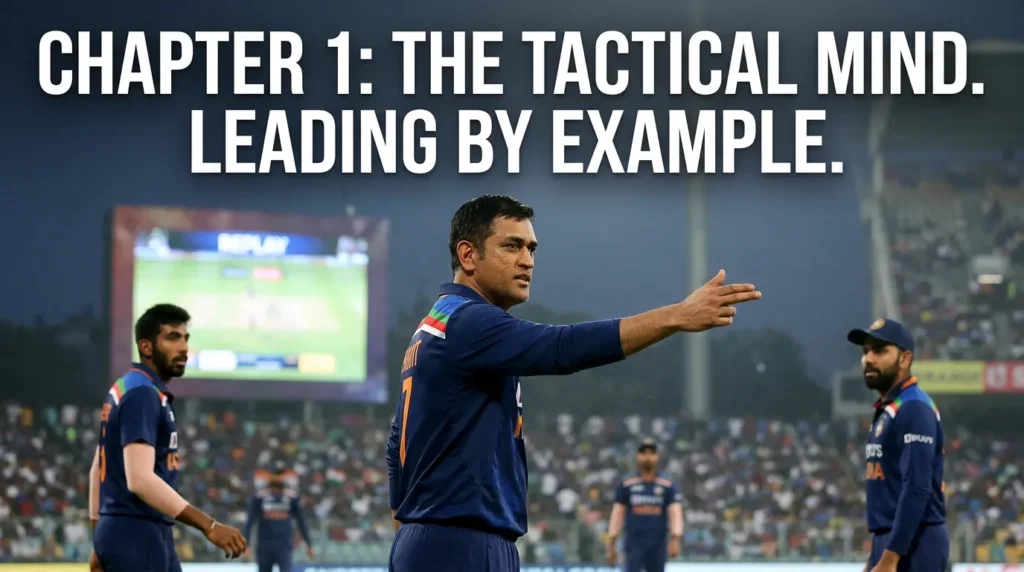
Cricket is often called a game of skill, patience, and strategy. While every player contributes to the team’s performance, one person carries the responsibility of leading the entire side—the captain. The captain plays a vital role both on and off the field by making tactical decisions, motivating teammates, and ensuring the team performs at its best. A good captain can inspire players, adapt to changing match situations, and turn difficult games into memorable victories.
Many cricket fans, beginners, students, and aspiring players ask, “What is Captaincy in Cricket?” Captaincy is much more than wearing the captain’s armband or attending the toss. It involves planning field placements, selecting bowlers, managing batting strategies, making quick decisions under pressure, and representing the team with confidence and sportsmanship.
Whether in local club cricket, domestic tournaments, or international matches, effective captaincy often makes the difference between winning and losing. This guide explains the meaning of captaincy in cricket, its history, responsibilities, leadership qualities, strategies, player roles, equipment, major tournaments, benefits, interesting facts, and answers to frequently asked questions.
History of Captaincy in Cricket
Captaincy has been an important part of cricket since the sport became organized in the 18th century.
In the early days, captains mainly organized teams and decided the batting order. As cricket evolved into an international sport, the captain’s responsibilities expanded significantly. Modern captains now work closely with coaches, analysts, and support staff while making tactical decisions during matches.
Legendary captains have helped shape cricket history through innovative leadership, smart field settings, and inspiring performances under pressure.
What is Captaincy in Cricket?
Captaincy in cricket is the leadership role given to one player who is responsible for guiding the team before, during, and after a match.
The captain represents the team on the field and communicates with umpires, coaches, and match officials.
The captain is responsible for:
- Leading the team
- Making tactical decisions
- Choosing bowling changes
- Setting field positions
- Motivating players
- Managing match situations
Simple Example
If the opposition starts scoring quickly, the captain may bring on a different bowler and change the field placement to reduce runs and increase the chances of taking wickets.
How Captaincy Works During a Cricket Match
A captain remains involved throughout every stage of the game.
Before the Match
The captain:
- Attends the toss
- Chooses whether to bat or bowl first
- Discusses team strategy
- Motivizes players
During Batting
The captain may:
- Guide batting partnerships
- Adjust the batting order if needed
- Encourage positive communication
During Bowling
The captain:
- Chooses bowlers
- Changes bowling ends
- Sets field placements
- Adjusts tactics based on pitch conditions
During Fielding
The captain constantly observes the game and:
- Changes field positions
- Encourages teammates
- Plans wicket-taking strategies
Main Responsibilities of a Cricket Captain
Winning the Toss
The toss can influence the entire match, especially in changing weather or pitch conditions.
Choosing Bowlers
Captains decide which bowler should bowl at different stages of the innings.
Setting the Field
Field placements depend on:
- Batter strengths
- Pitch conditions
- Match situation
- Bowling style
Motivating Players
A positive captain keeps players focused during difficult moments.
Communicating with Umpires
Only the captain usually discusses official matters with the umpires.
Representing the Team
The captain speaks during presentations, press conferences, and official meetings.
Leadership Skills Required for Captaincy
Decision-Making
Captains must make quick and accurate decisions under pressure.
Communication
Clear communication helps players understand strategies and responsibilities.
Confidence
Confident leaders inspire teammates.
Patience
Cricket matches can last several hours or even multiple days.
Problem-Solving
Captains often adapt plans when conditions change unexpectedly.
Teamwork
Successful captains value every player’s contribution.
Captaincy Strategies in Cricket
Field Placement Strategy
Different field settings are used for attacking or defensive situations.
Bowling Rotation
Captains rotate bowlers to keep pressure on the batting side.
Batting Strategy
Captains decide whether to attack or defend depending on the required run rate.
Reading Pitch Conditions
Captains adjust tactics according to:
- Spin-friendly pitches
- Fast bowling conditions
- Weather changes
Match Awareness
Understanding the match situation helps captains make better tactical decisions.
Player Roles During Captaincy
Captain
Leads the team and makes tactical decisions.
Vice-Captain
Supports the captain and takes charge when necessary.
Batters
Build partnerships and score runs according to team plans.
Bowlers
Execute bowling strategies set by the captain.
Wicketkeeper
Provides valuable observations about batters and field placements.
All-Rounders
Offer flexibility in both batting and bowling.
Equipment Used in Cricket
Captaincy itself does not require special equipment, but every player uses standard cricket gear.
Cricket Bat
Used by batters to score runs.
Cricket Ball
Used by bowlers to dismiss batters.
Helmet
Protects the head from fast deliveries.
Batting Gloves
Provide grip and hand protection.
Batting Pads
Protect the legs from injury.
Wicketkeeping Gloves
Used by wicketkeepers for catching and collecting the ball.
Cricket Shoes
Provide stability and grip while running and fielding.
Major Cricket Tournaments Where Captaincy Is Important
ICC Cricket World Cup
Captains make crucial tactical decisions in high-pressure matches.
ICC T20 World Cup
Quick decision-making is essential in the shortest format.
ICC World Test Championship
Captains manage long-term strategies over five days.
ICC Champions Trophy
Leadership plays a major role in knockout matches.
Indian Premier League (IPL)
Captains constantly adjust strategies in fast-paced T20 games.
Domestic Cricket Competitions
Captaincy helps develop future international leaders.
Benefits of Learning Captaincy
Physical Benefits
- Improves fitness awareness
- Encourages active participation
- Develops coordination
Mental Benefits
- Builds leadership skills
- Improves confidence
- Enhances decision-making
- Strengthens communication
- Develops problem-solving ability
- Encourages responsibility
Team Benefits
- Better teamwork
- Improved morale
- Stronger match planning
- Effective communication
Challenges of Cricket Captaincy
Handling Pressure
Captains must remain calm during difficult situations.
Managing Different Personalities
Every player responds differently to leadership.
Making Quick Decisions
Matches often require immediate tactical changes.
Dealing with Injuries
Captains adapt strategies when key players are unavailable.
Facing Strong Opposition
Leaders must continuously adjust plans against quality teams.
Interesting Facts About Captaincy in Cricket
- The captain is the only player who regularly communicates with the umpires on behalf of the team.
- Successful captains are remembered for both leadership and individual performance.
- Field placements can change several times in a single over.
- Modern captains use data analysis alongside experience.
- Test cricket requires long-term planning over multiple days.
- T20 captains often make tactical decisions every few deliveries.
- Leadership qualities developed in cricket often benefit players outside the sport.
Frequently Asked Questions
What is captaincy in cricket?
Captaincy is the leadership role responsible for managing the team’s strategy, decisions, and overall performance during a cricket match.
What does a cricket captain do?
A captain conducts the toss, selects bowling changes, sets field placements, motivates players, and represents the team during official interactions.
Why is captaincy important?
Strong captaincy improves teamwork, tactical decision-making, and overall match performance.
Can any player become captain?
Yes. Any player chosen by the team management can be appointed captain.
Who helps the captain?
The vice-captain, coach, wicketkeeper, senior players, and support staff often assist with planning and decision-making.
Does the captain decide the batting order?
The batting order is usually planned by the captain and coaching staff before the match, though adjustments can be made during play.
Is captaincy different in Test, ODI, and T20 cricket?
Yes. Each format requires different strategies because of differences in match length, pace, and playing conditions.
Conclusion
Understanding what is captaincy in cricket helps players and fans appreciate the importance of leadership in the game. A captain is much more than the team’s representative at the toss. They are responsible for making tactical decisions, guiding players, managing pressure, adapting strategies, and maintaining team spirit throughout the match. From selecting bowlers and setting fields to motivating teammates and communicating with officials, captaincy influences almost every aspect of cricket. Great captains combine experience, confidence, communication, and decision-making to lead their teams successfully. Whether at the grassroots level or on the international stage, effective captaincy remains one of the most valuable qualities in cricket and continues to shape memorable victories and legendary careers.

Green Benn is a dedicated sports writer specializing in cricket, including IPL and international formats. Known for clear, engaging, and informative content, Green simplifies complex match analysis and player statistics for all readers. Passionate about sports storytelling, Green delivers reliable, SEO-friendly articles that keep fans updated and informed