
Cricket is a game of milestones, records, and memorable performances. Among the greatest achievements for a batter is scoring a double century. While reaching a half century or century is impressive, scoring 200 or more runs in a single innings requires extraordinary skill, concentration, endurance, and consistency.
Many cricket fans, especially beginners, often ask, “What is a double century in cricket?” Simply put, a double century occurs when a batter scores at least 200 runs in one innings. This achievement is considered one of the highest individual batting accomplishments in the sport.
Double centuries are more common in Test cricket due to the longer format, but they have also become increasingly popular in One Day International (ODI) cricket. Over the years, some of the greatest players in cricket history have produced remarkable double-century innings that have shaped matches and broken records.
In this comprehensive guide, you will learn everything about double centuries in cricket, including their definition, history, significance, scoring techniques, player roles, famous records, major tournaments, benefits of cricket, and interesting facts.
What Is Double Century in Cricket?
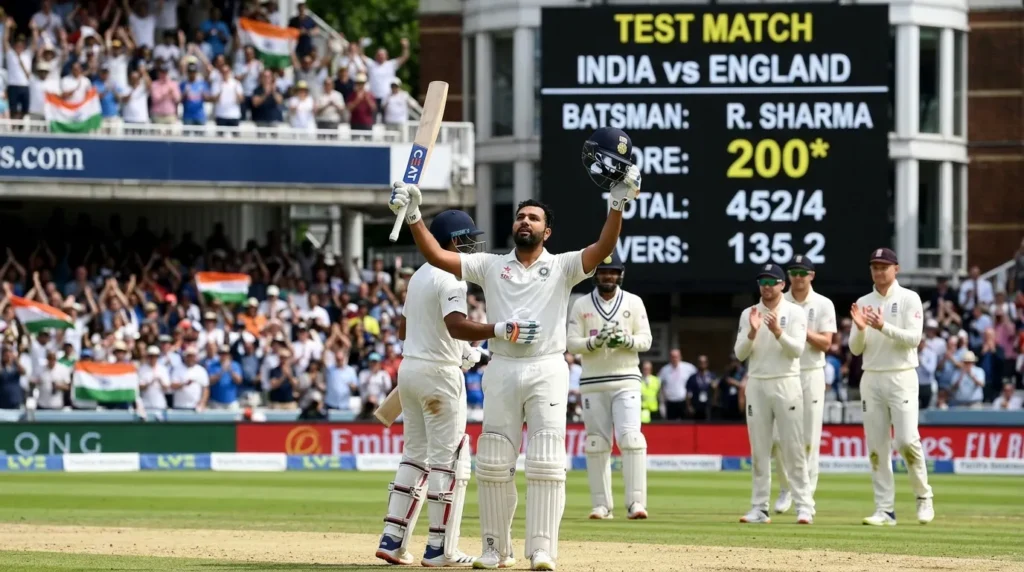
A double century in cricket is a batting milestone achieved when a player scores 200 or more runs in a single innings.
The batter reaches a double century immediately after scoring their 200th run.
Examples include:
- 200 runs
- 212 runs
- 250 runs
- 301 runs
- 400 runs
Any score above 200 is considered a double century until the batter reaches 300 runs, which is known as a triple century.
Quick Definition of a Double Century
A double century is:
- A score of 200 runs or more
- Achieved in one innings
- One of cricket’s highest batting milestones
It demonstrates exceptional batting ability, patience, and endurance.
History of Double Centuries in Cricket
Early Cricket Records
In the early years of cricket, scoring a century itself was considered extraordinary.
Pitch conditions were often difficult, and matches were played with limited protective equipment.
As batting techniques improved, players began reaching higher scores.
Growth of Double Centuries
The first recorded double centuries established a new standard for batting excellence.
Over time:
- Better equipment
- Improved pitches
- Advanced coaching
helped players score larger totals.
Modern Cricket Era
Today, double centuries are among the most celebrated individual achievements in both Test and ODI cricket.
Why Is a Double Century Important?
Scoring a double century is significant for several reasons.
Demonstrates Elite Skill
Few players can maintain concentration long enough to score 200 runs.
Creates Match-Winning Totals
Double centuries often help teams build dominant scores.
Establishes Records
Many double centuries become part of cricket history.
Reflects Consistency
A batter must perform exceptionally over an extended period.
How a Batter Scores a Double Century
Building an Innings
Most double centuries begin with a strong foundation.
Batters focus on:
- Defense
- Patience
- Shot selection
Rotating Strike
Singles and doubles help maintain momentum.
Boundary Scoring
Regular fours and sixes accelerate scoring.
Partnerships
Long partnerships reduce pressure and create opportunities for large scores.
Mental Strength
Maintaining focus over several hours is essential.
Difference Between Century and Double Century
Century
A century means:
- 100 runs or more
- Less than 200 runs
Examples:
- 100
- 125
- 175
Double Century
A double century means:
- 200 runs or more
Examples:
- 200
- 220
- 275
A double century is generally considered a much rarer achievement.
Double Century in Different Formats
Test Cricket
Test cricket provides the best opportunity for double centuries.
Reasons include:
- Unlimited innings duration
- Five-day matches
- Greater patience required
Most double centuries in cricket history have been scored in Test matches.
One Day International (ODI) Cricket
ODI matches consist of:
- 50 overs per side
For many years, experts believed a double century in ODIs was impossible.
Modern batting techniques have changed that perception.
T20 Cricket
T20 cricket consists of only:
- 20 overs per innings
A double century has never been scored in international T20 cricket because of the limited number of deliveries.
Famous Double Centuries in Cricket History
Test Cricket Double Centuries
Many legendary batters have scored memorable double centuries in Test cricket.
These innings often last:
- Several sessions
- Hundreds of deliveries
- Multiple days
ODI Double Centuries
ODI cricket has witnessed several historic double centuries.
These innings revolutionized limited-overs batting and proved that extremely high individual scores were achievable.
Batting Techniques Needed for a Double Century
Strong Defensive Technique
Batters must survive challenging deliveries.
Excellent Footwork
Good foot movement improves shot execution.
Shot Selection
Avoiding risky shots is crucial.
Fitness and Endurance
A double century often requires many hours at the crease.
Adaptability
Batters must adjust to:
- Different bowlers
- Pitch conditions
- Match situations
Strategies for Reaching a Double Century
Start Carefully
Most successful double centuries begin with patient batting.
Reach Milestones Gradually
Batters focus on:
- 50 runs
- 100 runs
- 150 runs
- 200 runs
Build Partnerships
Partnerships help reduce pressure and increase scoring opportunities.
Stay Mentally Strong
Concentration is critical during long innings.
Take Advantage of Loose Deliveries
Good batters capitalize on scoring opportunities.
Player Roles and Double Centuries
Opening Batters
Openers often have the best opportunity to score double centuries because they face the most deliveries.
Top-Order Batters
Players batting at positions one to four score the majority of double centuries.
Middle-Order Batters
Middle-order players can also score double centuries if they enter the match early enough.
Captains
Many cricket captains have produced double centuries while leading their teams.
Equipment Used for Scoring a Double Century
Modern cricket equipment plays an important role in batting success.
Cricket Bat
Provides power and control.
Helmet
Protects against fast bowling.
Gloves
Improve grip and hand protection.
Batting Pads
Protect the legs from injury.
Cricket Shoes
Support balance and footwork.
Protective Guards
Enhance player safety.
High-quality equipment allows players to bat confidently for extended periods.
Major Tournaments Where Double Centuries Matter
ICC World Test Championship
Double centuries often shape Test match outcomes.
ICC Cricket World Cup
ODI double centuries create historic moments.
Bilateral Test Series
Long-format matches provide opportunities for large individual scores.
Domestic First-Class Cricket
Many future stars score double centuries before reaching international cricket.
Major Domestic Competitions
National tournaments frequently produce outstanding batting performances.
Benefits of Playing Cricket
Physical Benefits
Cricket helps improve:
- Fitness
- Endurance
- Coordination
- Agility
Mental Benefits
The game develops:
- Concentration
- Strategic thinking
- Patience
- Decision-making skills
Social Benefits
Cricket promotes:
- Teamwork
- Leadership
- Communication
- Sportsmanship
Interesting Facts About Double Centuries
- A double century requires at least 200 runs in a single innings.
- Most double centuries occur in Test cricket.
- Scoring 200 runs often requires several hours of batting.
- Some players have scored multiple double centuries during their careers.
- Triple centuries begin after a batter reaches 300 runs.
- Double centuries are considered one of cricket’s greatest batting achievements.
- Many historic matches have been defined by double-century innings.
Common Challenges in Scoring a Double Century
Physical Fatigue
Long innings require significant stamina.
Maintaining Concentration
Mental focus becomes increasingly difficult over time.
Bowling Adjustments
Opponents continuously adapt their strategies.
Pressure of Milestones
Many batters become nervous when approaching major milestones.
Match Conditions
Weather and pitch conditions can affect batting performance.
Why Coaches Value Double Centuries
Coaches consider double centuries a sign of:
- Technical excellence
- Mental toughness
- Discipline
- Match awareness
- Consistency
A player capable of scoring double centuries is often viewed as a world-class batter.
Double Century vs Triple Century
Double Century
- 200 to 299 runs
- Rare achievement
- Major batting milestone
Triple Century
- 300 runs or more
- Extremely rare
- One of cricket’s greatest accomplishments
While both are exceptional, triple centuries occur far less frequently.
Conclusion
Understanding what a double century is in cricket helps fans appreciate one of the sport’s most remarkable batting achievements. A double century occurs when a batter scores 200 or more runs in a single innings, showcasing extraordinary skill, patience, concentration, and endurance. Whether achieved in Test cricket or ODI cricket, a double century often changes the course of a match and creates unforgettable moments. From legendary performances to modern batting records, double centuries remain a symbol of excellence and one of the highest honors a batter can achieve in cricket.