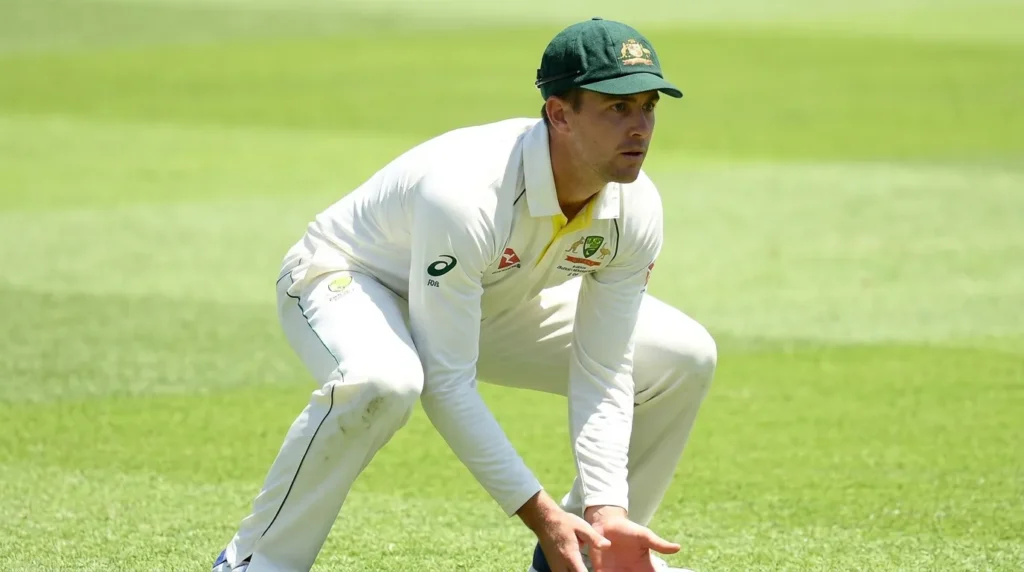
Fielding positions in cricket are one of the most important aspects of the game. While batting and bowling often receive the most attention, effective field placement can significantly influence the outcome of a match. Every cricket team uses specific fielding positions to prevent runs, create catching opportunities, and support the bowler’s strategy.
For beginners, fielding positions may seem confusing because cricket has a unique set of names such as slip, gully, point, cover, mid-off, fine leg, and third man. However, understanding these positions helps fans follow matches more closely and appreciate the tactical side of cricket.
Field placements vary depending on the format of the game, the type of bowler, the batter’s strengths, and match conditions. Captains constantly adjust fielding positions to maximize their team’s chances of taking wickets and restricting scoring.
In this guide, you will learn about the history of fielding positions, the major areas of a cricket field, common fielding positions, fielding strategies, player roles, equipment, major tournaments, benefits of cricket, and interesting facts about field placement.
What Are Fielding Positions in Cricket?
Fielding positions in cricket refer to the specific locations where fielders stand on the ground while the bowler delivers the ball.
These positions are designed to:
- Stop runs
- Take catches
- Support bowlers
- Create pressure on batters
- Execute tactical plans
The captain decides where fielders stand based on the game situation.
History of Fielding Positions in Cricket
Early Cricket Field Placements
In the early days of cricket, field placements were relatively simple. Most players stood close to the batter because scoring rates were lower and aggressive batting was less common.
Evolution of Modern Fielding
As cricket evolved, fielding became more specialized. Teams developed advanced tactics and assigned fielders to specific positions based on player skills and match conditions.
Modern Tactical Cricket
Today, professional teams use detailed statistical analysis to determine optimal field placements against different batters and bowlers.
Understanding the Cricket Field
Before learning individual positions, it is important to understand the layout of a cricket field.
The field is generally divided into:
Off Side
The side of the field in front of the batter when taking a normal batting stance.
Leg Side (On Side)
The side of the field behind the batter’s stance.
Close-In Field
Positions located near the batter.
Deep Field
Positions located near the boundary.
These divisions help identify and understand fielding positions.
Basic Categories of Fielding Positions
Close Catching Positions
These positions are used to catch edges or mistakes from the batter.
Examples include:
- Slip
- Gully
- Short Leg
- Silly Point
Infield Positions
These fielders stand inside the 30-yard circle.
Examples include:
- Point
- Cover
- Mid-Off
- Mid-On
Outfield Positions
These fielders patrol the deeper parts of the field.
Examples include:
- Deep Cover
- Long Off
- Long On
- Deep Midwicket
Important Fielding Positions in Cricket
Wicketkeeper
The wicketkeeper stands directly behind the stumps.
Responsibilities include:
- Catching edges
- Stumping batters
- Preventing byes
- Assisting fielders
The wicketkeeper is one of the most important fielding positions.
Slip
Slip fielders stand beside the wicketkeeper on the off side.
Purpose:
- Catch edges from fast bowlers
- Create pressure on batters
Teams may use:
- First Slip
- Second Slip
- Third Slip
- Fourth Slip
Gully
The gully position stands between slips and point.
Responsibilities:
- Catch thick edges
- Stop powerful square shots
Point
Point is located square on the off side.
Functions:
- Stop cuts and square drives
- Save runs
- Create run-out opportunities
Cover
Cover stands between point and mid-off.
Responsibilities:
- Stop cover drives
- Save boundaries
- Support bowlers
Extra Cover
Extra cover is slightly straighter than cover.
This position is commonly used against attacking batters.
Mid-Off
Mid-off stands in front of the batter on the off side.
Roles include:
- Stopping straight drives
- Supporting bowlers
- Captaining field placements
Captains often stand at mid-off.
Mid-On
Mid-on mirrors mid-off on the leg side.
Responsibilities include:
- Stopping on-drives
- Supporting bowlers
- Saving quick singles
Midwicket
Midwicket stands on the leg side between square leg and mid-on.
This position is important for:
- Stopping leg-side shots
- Catching aerial strokes
Square Leg
Square leg stands square to the batter on the leg side.
Functions include:
- Preventing leg-side runs
- Assisting run-out chances
Fine Leg
Fine leg stands behind square leg near the boundary.
Purpose:
- Stop glances and edges
- Save boundaries
Third Man
Third man is located behind the slips near the boundary.
Responsibilities:
- Stop edges
- Prevent boundaries
- Save valuable runs
Long Off
Long off stands near the boundary on the off side.
Used to:
- Catch lofted shots
- Prevent boundaries
Long On
Long on stands near the boundary on the leg side.
Common duties include:
- Catching six attempts
- Restricting scoring
Deep Cover
Deep cover protects the boundary in the cover region.
Important against aggressive batters.
Deep Midwicket
This position is commonly used in limited-overs cricket.
Responsibilities include:
- Catching big hits
- Protecting boundaries
Silly Point
Silly point stands extremely close to the batter on the off side.
Used mainly in Test cricket.
Short Leg
Short leg stands close to the batter on the leg side.
This position is particularly effective against spin bowling.
Fielding Positions for Fast Bowlers
Fast bowlers often use attacking fields.
Common positions include:
- Slip
- Gully
- Point
- Cover
- Mid-Off
- Mid-On
- Fine Leg
- Third Man
The objective is to create catching opportunities from edges.
Fielding Positions for Spin Bowlers
Spin bowlers often use close-catching fielders.
Common positions include:
- Slip
- Silly Point
- Short Leg
- Leg Slip
- Midwicket
The goal is to catch batters who misjudge spin and bounce.
Fielding Strategies in Cricket
Attacking Field
An attacking field aims to take wickets.
Characteristics:
- More close fielders
- Multiple slips
- Catching positions
Defensive Field
A defensive field aims to restrict runs.
Characteristics:
- Deep boundary fielders
- Fewer close catchers
- Boundary protection
Balanced Field
Combines attacking and defensive elements.
Most teams use a balanced field during the middle overs.
Fielding Restrictions in Limited-Overs Cricket
Powerplay Rules
Powerplays limit the number of fielders outside the circle.
These rules encourage aggressive batting.
ODI Fielding Restrictions
ODI cricket uses different phases with varying field restrictions.
T20 Fielding Restrictions
T20 cricket generally has stricter fielding restrictions to promote scoring.
Player Roles and Fielding Positions
Captain
The captain determines field placements.
Wicketkeeper
Directs fielders and supports bowlers.
Fast Bowlers
Require slip fielders and boundary protection.
Spin Bowlers
Benefit from close-catching positions.
Specialist Fielders
Teams often place their best athletes in key positions.
Equipment Used in Cricket Fielding
Fielders use several pieces of equipment.
Essential Equipment
- Cricket ball
- Cricket shoes
- Team uniform
- Protective gear
Wicketkeeper Equipment
- Wicketkeeping gloves
- Leg pads
- Abdominal guard
- Helmet (when standing close)
Proper equipment enhances performance and safety.
Major Cricket Tournaments
Fielding positions play a vital role in major competitions.
ICC Cricket World Cup
The premier ODI tournament.
ICC T20 World Cup
Features innovative field placements and aggressive tactics.
ICC World Test Championship
Highlights traditional fielding strategies.
Indian Premier League (IPL)
Known for athletic fielding and creative captaincy.
The Ashes
One of cricket’s most historic rivalries.
Benefits of Playing Cricket
Physical Benefits
- Improved fitness
- Better agility
- Enhanced coordination
- Increased stamina
Mental Benefits
- Strategic thinking
- Concentration
- Decision-making skills
- Confidence building
Social Benefits
- Teamwork
- Leadership
- Communication
- Sportsmanship
Interesting Facts About Fielding Positions
- Cricket has more named fielding positions than most sports.
- The wicketkeeper is the only player allowed to wear gloves while fielding.
- Slip fielders often have some of the fastest reaction times in sport.
- Captains may change field placements several times during a single over.
- Modern analytics heavily influence fielding strategies.
- T20 cricket has introduced innovative field placements.
- Some fielding positions have existed for more than a century.
Common Mistakes Beginners Make
Ignoring Field Placements
Many beginners focus only on batting and bowling.
Confusing Off Side and Leg Side
Understanding field orientation is essential.
Standing in the Wrong Position
Proper positioning improves fielding effectiveness.
Poor Communication
Fielders must communicate clearly to avoid errors.
Conclusion
Fielding positions in cricket are a crucial part of the game’s strategy and tactics. From slips and gullies to long-on and deep cover, every position serves a specific purpose. Captains carefully place fielders based on the bowler, batter, match situation, and format of the game. Understanding fielding positions helps players improve their skills and allows fans to appreciate the tactical depth of cricket. Whether you are watching a Test match, ODI, or T20 game, knowledge of field placements makes the sport far more enjoyable and easier to understand.

Green Benn is a dedicated sports writer specializing in cricket, including IPL and international formats. Known for clear, engaging, and informative content, Green simplifies complex match analysis and player statistics for all readers. Passionate about sports storytelling, Green delivers reliable, SEO-friendly articles that keep fans updated and informed