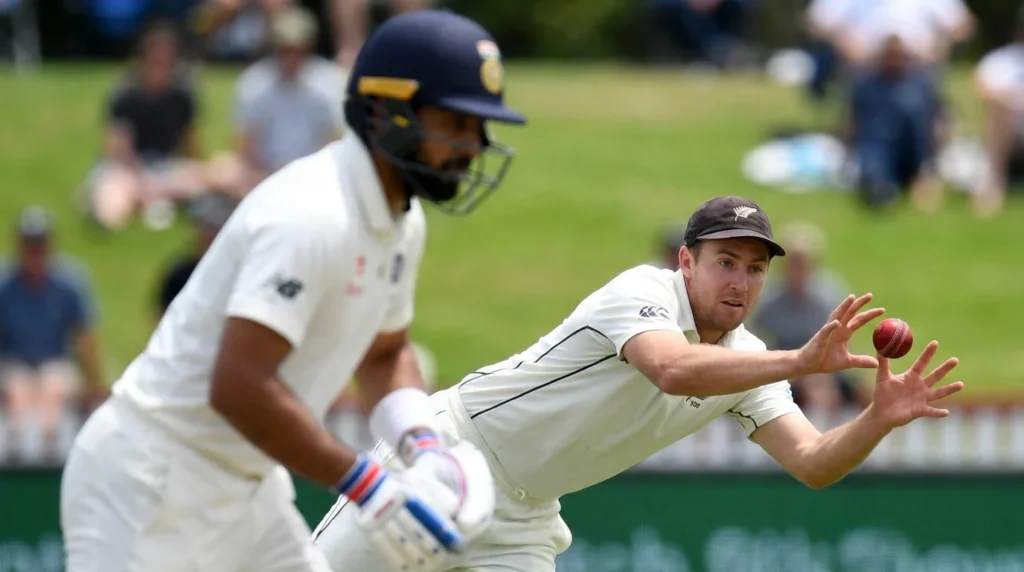

Caught out is one of the most important and exciting ways a batsman can be dismissed in cricket. Whether you are watching an international match, a domestic tournament, or a local game, catches play a major role in deciding the outcome of the contest. A brilliant catch can change the momentum of a match, lift team morale, and remove a dangerous batsman at a crucial moment.
For beginners, the caught out rule may seem simple. If a fielder catches the ball, the batter is out. However, cricket has specific rules that determine whether a catch is legal. Factors such as control of the ball, contact with the ground, boundary ropes, and fielding positions all influence the decision.
Understanding the caught out rule helps players improve their skills and allows fans to appreciate the game more deeply. It is one of the oldest and most common methods of dismissal in cricket and remains a vital part of every format, from Test matches to T20 cricket.
This comprehensive guide explains everything about caught out in cricket, including its history, rules, techniques, player roles, equipment, major tournaments, benefits, and interesting facts.
What Is Caught Out in Cricket?
Caught out occurs when a batsman hits the ball with the bat or glove holding the bat and a fielder catches the ball before it touches the ground.
The catch must be completed according to the Laws of Cricket for the batter to be given out.
Basic Definition
A batsman is out caught when:
- The ball touches the bat or glove.
- The ball does not touch the ground.
- A fielder catches and controls the ball legally.
Example
A batsman attempts a drive but mistimes the shot. The ball travels into the air, and a nearby fielder catches it cleanly before it touches the ground. The batsman is declared caught out.
History and Origin of Caught Out
Caught out is one of the oldest dismissal methods in cricket.
Early Cricket Rules
Cricket’s earliest versions included catching as a primary way of dismissing batsmen. Since fielders could not rely on advanced equipment, catching required excellent hand-eye coordination and courage.
Evolution of Fielding
As cricket developed, fielding became more specialized. Teams began placing fielders strategically to create catching opportunities.
Modern cricket now includes highly trained fielders who practice catching skills daily.
Importance Through History
Many famous cricket matches have been decided by spectacular catches. Over the years, fielding standards have improved dramatically, making catches a crucial part of the game.
Rules of a Legal Catch
Not every catch results in a dismissal. Several conditions must be met.
Ball Must Not Touch the Ground
The ball must remain off the ground throughout the catching process.
If the ball touches the ground before being controlled, the batsman is not out.
Control of the Ball
The fielder must demonstrate clear control of the ball.
Merely touching or deflecting the ball is not enough.
Contact with the Bat
The ball must touch the bat or the glove that is holding the bat.
If the ball strikes another part of the body without touching the bat, a catch cannot be claimed.
Boundary Restrictions
A fielder must remain within the field of play while completing the catch.
If the fielder touches the boundary rope while holding the ball, the catch is not valid.
Types of Catches in Cricket
Different situations create different types of catches.
Slip Catch
Slip fielders stand behind the batsman near the wicketkeeper.
They catch edges from fast bowlers.
Outfield Catch
These catches occur near the boundary and often involve running long distances.
High Catch
A ball hit high into the air gives fielders time to position themselves.
Diving Catch
Fielders dive forward or sideways to catch difficult balls.
One-Handed Catch
These spectacular catches require exceptional reflexes and athletic ability.
Wicketkeeper Catch
The wicketkeeper catches edges that pass the bat.
This is one of the most common forms of caught dismissals.
How Caught Out Happens During Gameplay
Caught dismissals can occur in many situations.
Aggressive Batting
When batsmen attempt big shots, they increase the risk of offering catches.
Swing Bowling
Swing can cause edges that travel to slip fielders or the wicketkeeper.
Spin Bowling
Spin bowlers often tempt batsmen into mistimed shots.
Pressure Situations
Under pressure, players may take risks and produce catching opportunities.
Fielding Positions Important for Catches
Several fielding positions are designed specifically to take catches.
Slip Fielders
Slip fielders stand behind the batsman and catch edges from fast bowlers.
Gully
The gully position covers catches that fly wider than the slips.
Point
Point fielders often catch square cuts and mistimed shots.
Mid-Off and Mid-On
These positions are useful for catching lofted drives.
Deep Fielders
Boundary fielders catch high shots intended for sixes.
Wicketkeeper
The wicketkeeper is responsible for catching edges and deflections.
Techniques for Taking Successful Catches
Good catching requires practice and proper technique.
Watching the Ball
Fielders must keep their eyes on the ball from the moment it leaves the bat.
Soft Hands
Using relaxed hands helps absorb the impact of the ball.
Proper Positioning
Fielders should move quickly into the best catching position.
Balance and Footwork
Good balance improves catching success.
Communication
Fielders should communicate clearly to avoid collisions.
Strategies Teams Use to Create Catches
Teams carefully plan field placements.
Attacking Fields
Captains place close fielders around the batsman.
Examples include:
- Slip
- Gully
- Short leg
- Silly point
Defensive Fields
Boundary fielders wait for aggressive shots.
Bowling Plans
Bowlers target weaknesses to force mistakes and create catching opportunities.
Role of Different Players in Caught Dismissals
Every player contributes to creating catches.
Bowlers
Bowlers generate edges and mistimed shots.
Wicketkeeper
The wicketkeeper catches balls behind the stumps.
Close Fielders
Close fielders react quickly to deflections.
Outfielders
Outfielders patrol large areas and take difficult catches.
Captain
The captain places fielders strategically.
Equipment Used in Cricket
Proper equipment supports fielding and catching.
Cricket Ball
The ball’s seam, hardness, and condition influence catching chances.
Cricket Gloves
Only wicketkeepers use gloves for catching.
Bat
Different bat shots can create catching opportunities.
Protective Equipment
Players use helmets, pads, and guards for safety.
Cricket Shoes
Good footwear helps fielders move quickly toward the ball.
Major Cricket Tournaments Featuring Memorable Catches
Caught dismissals play a huge role in top competitions.
ICC Cricket World Cup
Many World Cup matches have featured game-changing catches.
ICC T20 World Cup
Athletic boundary catches are common in T20 cricket.
ICC World Test Championship
Slip catches are particularly important in Test cricket.
Champions Trophy
Fielding excellence often determines close matches.
Domestic Leagues
Leagues around the world regularly showcase spectacular catches.
Benefits of Practicing Catching Skills
Catching offers many physical and mental benefits.
Physical Benefits
- Improved reflexes
- Better hand-eye coordination
- Increased agility
- Faster reaction times
- Enhanced balance
Mental Benefits
- Greater concentration
- Better decision-making
- Increased confidence
- Improved teamwork
- Enhanced discipline
Common Mistakes When Taking Catches
Even experienced fielders make mistakes.
Taking Eyes Off the Ball
Looking away too early can cause dropped catches.
Poor Positioning
Incorrect positioning makes catches more difficult.
Hard Hands
Rigid hands can cause the ball to bounce out.
Lack of Communication
Confusion between fielders often leads to dropped chances.
Interesting Facts About Caught Out
Most Common Dismissal
Caught out is the most common method of dismissal in cricket.
Wicketkeepers Take Many Catches
Wicketkeepers often record the highest number of catches in their careers.
Fielding Standards Have Improved
Modern players train extensively to improve catching ability.
Boundary Catches Are Increasing
Athletic fielders now perform catches that were once considered impossible.
One Catch Can Change a Match
A single catch can remove a key batsman and alter the result of a game.
Why Caught Out Is Important in Cricket
Caught dismissals reward skillful bowling and quality fielding.
They encourage teamwork and strategic planning.
Without catches, batsmen would score much more freely, making cricket less balanced.
Caught out remains one of the most exciting moments in any cricket match because it combines athleticism, concentration, and teamwork.
Conclusion
Caught out is one of the oldest, most common, and most exciting methods of dismissal in cricket. It occurs when a batsman hits the ball and a fielder catches it before it touches the ground. Although the concept appears simple, the laws governing catches involve several important conditions regarding control, boundaries, and legal completion.
From slip catches and wicketkeeper catches to spectacular diving catches near the boundary, fielding plays a major role in modern cricket. Teams use carefully planned strategies and field placements to create catching opportunities, while players spend countless hours improving their catching skills.
Understanding the caught out rule helps fans appreciate cricket more deeply and enables players to improve their performance. Whether in Test matches, One Day Internationals, T20 games, or local competitions, catches continue to influence results and create unforgettable moments. The combination of skill, athleticism, teamwork, and excitement makes caught out one of cricket’s most important and celebrated dismissal methods.