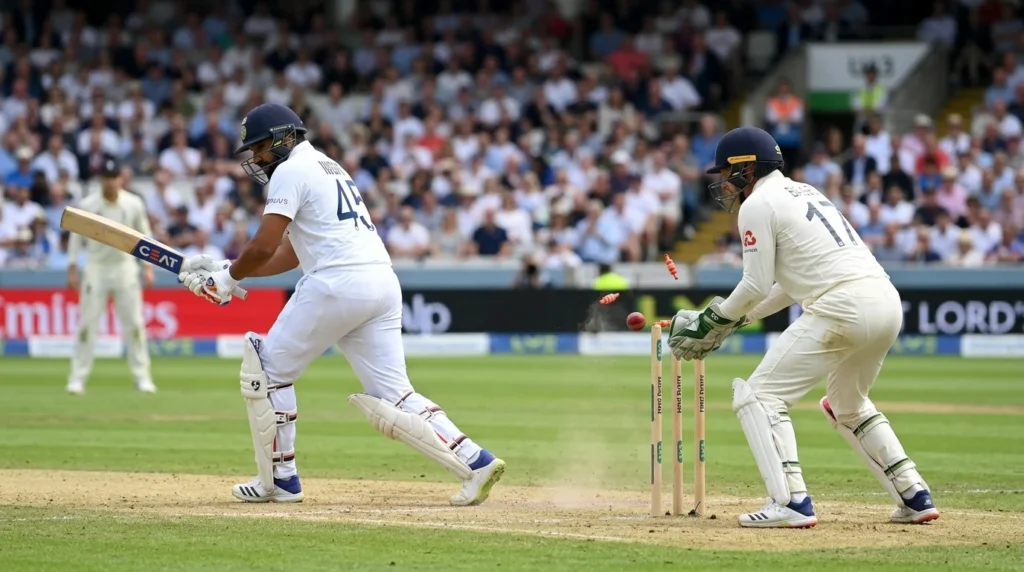

Stumped out is one of the most exciting and skillful ways a batsman can be dismissed in cricket. It often happens in just a fraction of a second and showcases the incredible reflexes of the wicketkeeper. Whether you are watching a local match, an international game, or a major tournament, a stumping dismissal can instantly change the momentum of the match.
For beginners, the concept of stumped out may seem confusing. Unlike other dismissals such as bowled, caught, or LBW, stumping requires specific conditions to be met. A batsman must leave the crease, miss the ball, and the wicketkeeper must remove the bails before the batsman returns safely. Because of these requirements, stumping is considered one of the most specialized forms of dismissal in cricket.
Understanding the stumped out rule helps players improve their batting awareness and allows fans to appreciate the skills involved. It is especially common against spin bowlers, who use flight and turn to tempt batsmen out of their crease.
This comprehensive guide covers everything about stumped out in cricket, including its history, rules, techniques, player roles, equipment, major tournaments, benefits, and interesting facts.
What Is Stumped Out in Cricket?
Stumped out occurs when a wicketkeeper puts down the wicket while the batsman is out of the crease and not attempting a run.
The dismissal is usually completed after the batsman misses the ball while moving forward.
Basic Definition
A batsman is stumped when:
- The batter leaves the batting crease.
- The ball is not touched by the bat.
- The wicketkeeper collects the ball.
- The wicketkeeper removes the bails.
- The batter is outside the crease at that moment.
Simple Example
A batsman steps down the pitch to hit a spinner. The batter misses the ball, and the wicketkeeper quickly removes the bails before the batter gets back into the crease. The batsman is declared stumped out.
History and Origin of Stumped Out
Stumping has been part of cricket for centuries.
Early Cricket
As cricket developed, batsmen began moving out of their crease to attack bowlers. To maintain balance between bat and ball, the stumping law was introduced.
Growth of Wicketkeeping Skills
In the early days, wicketkeepers had limited equipment and relied heavily on quick reactions.
Modern wicketkeepers undergo specialized training to improve their stumping abilities.
Evolution in Modern Cricket
The introduction of television replays and third umpires has made stumping decisions more accurate than ever before.
Rules of a Stumping Dismissal
Several conditions must be met for a valid stumping.
The Batter Must Be Out of the Crease
The batter’s bat or body must not be grounded behind the popping crease.
The Batter Must Not Be Attempting a Run
If the batter is attempting a run, the dismissal may become a run out instead of a stumping.
The Ball Must Be Legal
A batsman cannot be stumped off a no-ball.
Wicketkeeper Must Complete the Dismissal
The wicketkeeper must remove at least one bail while controlling the ball.
No Contact with the Bat
Generally, the batter misses the ball entirely before the wicketkeeper completes the stumping.
How Stumping Happens During Gameplay
Stumpings occur most often against spin bowling.
Against Spin Bowlers
Spin bowlers encourage batsmen to leave the crease by using flight and turn.
Aggressive Batting
A batter may advance down the pitch to hit a big shot.
Missed Shot
If the batsman misses the ball, the wicketkeeper gains an opportunity.
Quick Wicketkeeping
The wicketkeeper must react instantly to complete the dismissal.
Role of the Wicketkeeper in Stumped Out Dismissals
The wicketkeeper is the most important player in a stumping.
Quick Reflexes
A wicketkeeper often has less than a second to complete the dismissal.
Ball Collection
Clean collection of the ball is essential.
Fast Hand Movement
The keeper must move the ball onto the stumps quickly and accurately.
Awareness
The wicketkeeper constantly watches the batter’s feet and position.
Spin Bowling and Stumping
Spin bowlers create most stumping opportunities.
Flight
Flight encourages batsmen to leave their crease.
Turn
The spinning ball can move away from the bat.
Drift
Drift changes the ball’s path before pitching.
Deception
Variations confuse batsmen and increase stumping chances.
Because of these factors, wicketkeepers and spinners often work closely together.
Batting Techniques to Avoid Being Stumped Out
Good batsmen use several methods to avoid stumping.
Maintaining Balance
Balanced footwork allows quick movement back into the crease.
Reading the Bowler
Recognizing spin and flight helps prevent mistakes.
Smart Shot Selection
Players should avoid unnecessary risks.
Quick Recovery
If a shot is missed, the batter must return to the crease immediately.
Difference Between Stumped Out and Run Out
Many beginners confuse these dismissals.
Stumped Out
- Batter is not attempting a run.
- Usually completed by the wicketkeeper.
- Often occurs against spin bowling.
Run Out
- Batter is attempting a run.
- Any fielder can complete the dismissal.
- Can happen anywhere on the field.
Understanding this difference is important for players and fans.
Field Positions Important for Stumping Opportunities
Several fielding positions support stumping attempts.
Wicketkeeper
Directly responsible for the dismissal.
Slip Fielders
Provide support behind the batter.
Close-In Fielders
Create pressure around the bat.
Spinner’s Field
Captains often place attacking fielders to encourage risky shots.
Equipment Used in Stumping Situations
Proper equipment helps players perform safely and effectively.
Cricket Ball
The ball’s spin and movement influence stumping opportunities.
Wicketkeeping Gloves
These gloves help keepers collect the ball quickly.
Stumps and Bails
The wicketkeeper must remove the bails to complete the dismissal.
Bat
A batter often uses the bat to regain the crease.
Protective Equipment
Helmets, pads, and guards protect players during play.
Major Cricket Tournaments Featuring Famous Stumpings
Stumpings frequently influence major matches.
ICC Cricket World Cup
Several World Cup games have featured crucial stumping dismissals.
ICC T20 World Cup
Fast-paced T20 cricket often produces dramatic stumpings.
ICC World Test Championship
Spinners create numerous stumping opportunities in Test cricket.
ICC Champions Trophy
Close contests are sometimes decided by a single stumping.
Domestic Cricket Leagues
Professional leagues worldwide regularly feature brilliant wicketkeeping.
Benefits of Learning Cricket Skills
Although stumping itself is a dismissal method, learning cricket offers many benefits.
Physical Benefits
- Better reflexes
- Improved coordination
- Increased agility
- Faster reaction time
- Enhanced fitness
Mental Benefits
- Better concentration
- Strategic thinking
- Confidence building
- Patience
- Teamwork skills
Social Benefits
- Communication
- Leadership
- Sportsmanship
- Friendship development
Strategies Teams Use to Create Stumping Opportunities
Successful teams plan for stumping chances.
Attacking Field Placements
Captains encourage aggressive batting by using close fielders.
Spin Bowling Partnerships
Spinners and wicketkeepers work together strategically.
Building Pressure
Dot balls often force batsmen into risky attacks.
Reading the Batter
Teams study batting habits and weaknesses.
Common Mistakes That Lead to Stumpings
Many dismissals result from avoidable errors.
Over-Aggressive Batting
Attempting big shots too early can be risky.
Poor Footwork
Slow movement leaves batters vulnerable.
Misjudging Spin
Failure to read turn often causes missed shots.
Lack of Awareness
Some batters forget their position relative to the crease.
Interesting Facts About Stumped Out
One of the Fastest Dismissals
A stumping can occur in less than a second.
Wicketkeepers Specialize in It
Only wicketkeepers can complete a true stumping dismissal.
Most Common Against Spin
Spin bowlers benefit most from stumping opportunities.
Technology Assists Decisions
Third umpires use slow-motion cameras to check close calls.
Great Keepers Are Famous for Stumpings
Many legendary wicketkeepers built their reputation on lightning-fast stumpings.
Why Stumped Out Is Important in Cricket
Stumping rewards skill, awareness, teamwork, and quick reflexes.
It gives bowlers another way to dismiss attacking batsmen and helps maintain balance between batting and bowling.
The dismissal also adds excitement because it often happens unexpectedly and requires exceptional wicketkeeping ability.
Conclusion
Stumped out is one of cricket’s most exciting and technically demanding dismissal methods. It occurs when a batsman leaves the crease, misses the ball, and the wicketkeeper removes the bails before the batter can return safely. Although the rule may appear simple, successful stumpings require outstanding teamwork between bowlers and wicketkeepers.
Spin bowlers create many stumping opportunities through flight, turn, drift, and deception, while wicketkeepers rely on lightning-fast reflexes and precise glove work. Batters must use good footwork, balance, and awareness to avoid becoming victims of a stumping.
From local matches to international tournaments such as the Cricket World Cup and T20 World Cup, stumping continues to play a crucial role in deciding games. Understanding the rules and techniques behind this dismissal helps players improve their skills and allows fans to appreciate one of cricket’s most fascinating moments. Stumped out remains a perfect example of the speed, strategy, and skill that make cricket such a thrilling sport.

Jon Smith is a passionate sports writer specializing in cricket and global sporting events. With a keen eye for match analysis and player performance, he creates clear, engaging, and informative content. His work focuses on simplifying complex sports insights, making them accessible for beginners and experienced fans alike worldwide.