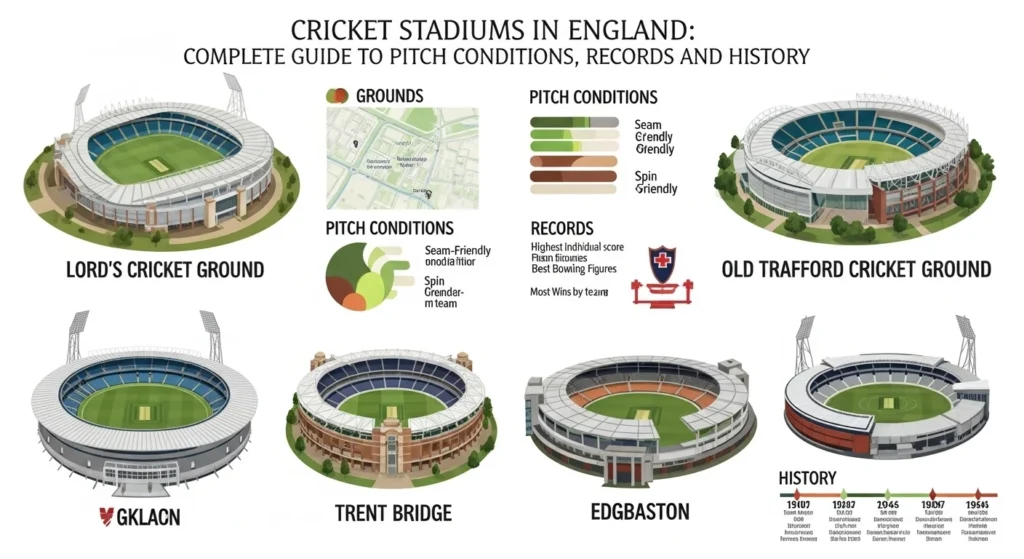
Cricket in England is not just a sport—it is a tradition that dates back hundreds of years. Imagine watching a Test match on a green pitch under cloudy skies, where the ball swings beautifully and every delivery feels like a challenge. This is the magic of cricket in England.
The country is home to some of the most historic and iconic cricket venues in the world. These stadiums have hosted legendary matches, unforgettable moments, and world-class players. Organized under the rules of the Marylebone Cricket Club and governed globally by the International Cricket Council, England remains a central hub of international cricket.
In this detailed guide, you will learn about famous cricket stadiums in England, their pitch conditions, history, records, and how they influence gameplay.
What are Cricket Stadiums in England?
Definition
Cricket stadiums in England are professional grounds designed for hosting domestic and international cricket matches under official rules.
What Is a Cricket Stand?
A cricket stand is a designated seating area inside a cricket stadium where spectators sit and watch the match. Cricket stands are usually arranged around the playing field and may have different names based on their location, history, sponsors, or the facilities they provide.
Cricket stands can range from simple open seating areas to large covered sections with comfortable seats, food facilities, restrooms, hospitality areas, and private boxes. Some major cricket grounds in England have historic stands that are well known among cricket fans.
The main purpose of a stand is to provide spectators with a clear and safe view of the pitch and players. The design and position of each stand can affect the viewing experience. Some stands are located close to the boundary, while others are higher and provide a wider view of the entire ground.
At famous English cricket grounds such as Lord’s, The Oval, Edgbaston, Headingley, and Trent Bridge, different stands accommodate thousands of spectators during international and domestic matches.
Modern cricket stadiums may also include premium seating, corporate hospitality areas, media facilities, family sections, and accessible seating. Together, these areas help make the stadium comfortable and suitable for large crowds.
In simple terms, a cricket stand is the spectator seating area of a cricket ground, designed to provide fans with a safe and convenient place to watch the game.
Simple Explanation
These stadiums provide playing fields, seating, and facilities for players and spectators, ensuring high-quality cricket matches.
Practical Example
Famous venues like Lord’s Cricket Ground and The Oval are known worldwide for their history and match-winning performances.
History of Cricket in England
Cricket originated in England during the 16th century. Over time, it became the national sport and spread globally.
England hosted the first-ever international Test match and later introduced limited-overs formats. Many historic matches have been played at iconic venues, shaping modern cricket.
The history of cricket in England dates back to the 16th century, making it one of the oldest and most traditional sports in the world. Cricket is believed to have originated in southeast England, where children first played it as a simple bat-and-ball game. Over time, it became popular among adults and gradually developed into a professional sport.
By the 17th century, cricket had spread across England and started gaining attention from the upper classes. Wealthy patrons began supporting teams, and organized matches were played for money. This helped in the development of rules and structure in the game. In the 18th century, cricket became England’s national sport, and major clubs were formed to promote it.
One of the most important developments in cricket history was the establishment of the Marylebone Cricket Club (MCC) in 1787. The MCC played a key role in standardizing the rules of cricket, known as the Laws of Cricket, which are still followed worldwide today. The famous ground Lord’s Cricket Ground became the home of cricket and remains one of the most iconic venues in the sport.
In the 19th century, cricket expanded internationally, with England playing the first-ever Test match against Australia in 1877. This marked the beginning of international cricket. The Ashes series between England and Australia became one of the most famous rivalries in sports history.
During the 20th century, cricket continued to evolve with the introduction of limited-overs formats like One Day Internationals (ODIs) and later T20 cricket. England remained a central force in shaping modern cricket.
Today, England is considered the birthplace of cricket and continues to play a major role in its development, maintaining its rich tradition while embracing modern changes in the game.
Major Cricket Stadiums in England
1.Lord’s Cricket Ground (London): The Complete Guide to History, Pitch Conditions, Records, Facilities, and Cricket Matches
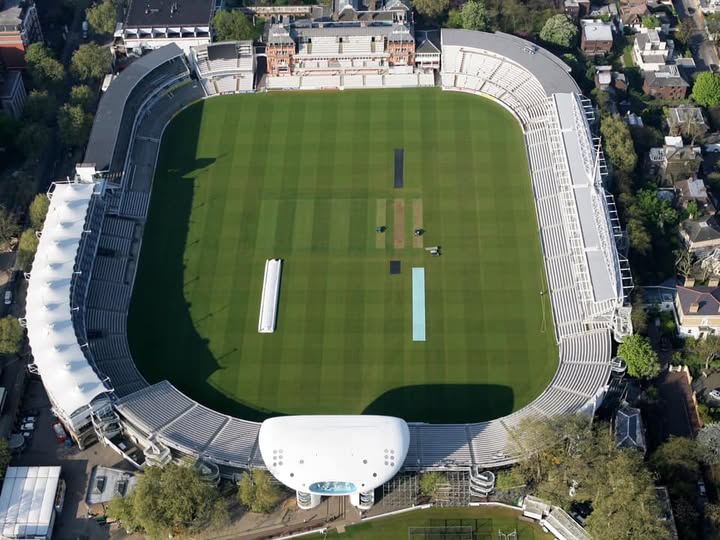
Lord’s Cricket Ground, located in London, is widely known as the “Home of Cricket” and is one of the most iconic and historic cricket stadiums in the world. Established in 1814, Lord’s is owned and managed by the Marylebone Cricket Club, which is responsible for maintaining the Laws of Cricket. This gives the ground a unique status in the cricketing world.
The stadium has a seating capacity of around 30,000 spectators and combines traditional architecture with modern facilities. One of its most famous features is the historic Pavilion, which overlooks the field and houses the dressing rooms. Another unique structure is the Media Centre, a modern, futuristic building that stands out from the rest of the ground.
The pitch at Lord’s is known for its distinctive characteristics. Unlike many other grounds, it has a slight slope running across the field, which affects how the ball moves. Fast bowlers can use this slope to generate extra swing and seam movement, making it challenging for batters, especially in the early stages of a match. Under cloudy conditions, the ball tends to swing more, which is a typical feature of English cricket.
As the match progresses, the pitch becomes more batting-friendly. Once batters adjust to the conditions, they can play their shots more confidently and build big innings. In longer formats like Test matches, spinners may also come into play during the later stages as the pitch begins to wear.
Lord’s has hosted many historic matches, including finals of the ICC Cricket World Cup. One of the most memorable moments was the 2019 World Cup Final, which is considered one of the greatest matches in cricket history. The ground has also been the venue for countless Test matches, One Day Internationals (ODIs), and T20 games.
From a player’s perspective, playing at Lord’s is considered a great honor. Performing well at this venue often becomes a highlight of a cricketer’s career. The ground also has a tradition of displaying the names of players who score a century or take five wickets on the honors boards inside the Pavilion, adding to its prestige.
The atmosphere at Lord’s is unique compared to other stadiums. The crowd is knowledgeable and respectful, creating a calm yet intense environment. Spectators follow traditional customs, including dress codes in certain areas, which adds to the classic cricket experience.
In terms of facilities, Lord’s offers world-class infrastructure, including advanced practice areas, high-quality outfield, and excellent seating arrangements. The ground is also used for training, domestic matches, and special events.
In conclusion, Lord’s Cricket Ground is not just a stadium—it is a symbol of cricket’s rich history and tradition. Its unique pitch conditions, iconic structures, and historic significance make it one of the most respected and celebrated venues in the sport. Whether it is a Test match or a World Cup final, Lord’s always provides a memorable and prestigious cricketing experience.
Key Features
- Known as the “Home of Cricket”
- Owned by MCC
- Historic pavilion
Pitch Report
- Balanced pitch
- Assists seam bowlers early
- Good for batting later
2. The Oval (London): The Complete Guide to History, Pitch Conditions, Records, Facilities, and Cricket Matches

The Oval, officially known as the Kia Oval, is one of the most famous and historic cricket stadiums in England. Located in South London, it was established in 1845 and is one of the oldest international cricket grounds in the world. The stadium is managed by Surrey County Cricket Club and has played a significant role in the development of modern cricket.
The Oval holds a special place in cricket history as it hosted England’s first-ever Test match in 1880. It is also known for staging the final Test match of the English summer, making it a venue where many series-deciding games take place. Over the years, the ground has witnessed countless memorable moments, including matches in the ICC Cricket World Cup.
With a seating capacity of around 25,000 spectators, The Oval combines traditional charm with modern facilities. The stadium has been upgraded over time to include advanced dressing rooms, media centers, and improved spectator seating. Its location in a busy city adds to the vibrant atmosphere, especially during international matches.
One of the key features of The Oval is its pitch condition. The pitch is generally known to be batting-friendly, especially in limited-overs formats like One Day Internationals (ODIs) and T20 matches. It offers consistent bounce and pace, allowing batters to play attacking shots freely. High-scoring matches are quite common at this venue.
However, the pitch also evolves over time. In Test matches, it tends to become drier and slower as the game progresses. This brings spinners into play, particularly in the later stages of the match. As a result, The Oval is considered a balanced venue where both batters and bowlers have opportunities to perform.
Fast bowlers can also find some assistance, especially with the new ball. Early in the match, there may be slight movement off the pitch, making it important for batters to be cautious. But once they settle in, scoring becomes easier due to the true bounce of the surface.
The Oval is also known for its excellent outfield, which is fast and well-maintained. This means that well-timed shots often result in boundaries, encouraging aggressive batting. Fielders must be quick and alert to prevent runs.
From a player’s perspective, The Oval is a rewarding ground. Batters enjoy the conditions once they get set, while bowlers need to adapt their strategies based on the stage of the match. Spinners, in particular, can be very effective in longer formats.
The atmosphere at The Oval is lively and energetic. The crowd is passionate, and the stadium often hosts large numbers of fans during important matches. Its urban setting makes it easily accessible and adds to the overall experience.
In conclusion, The Oval is a historic and versatile cricket stadium that offers a perfect balance between tradition and modern cricket. Its batting-friendly pitch, evolving conditions, and rich history make it one of the most important venues in the world.
Key Features
- Historic venue
- Known for high-scoring matches
Pitch Report
- Flat batting surface
- Helps spinners later
Old Trafford Cricket Ground (Manchester): The Complete Guide to History, Pitch Conditions, Records, Facilities, and Cricket Matches
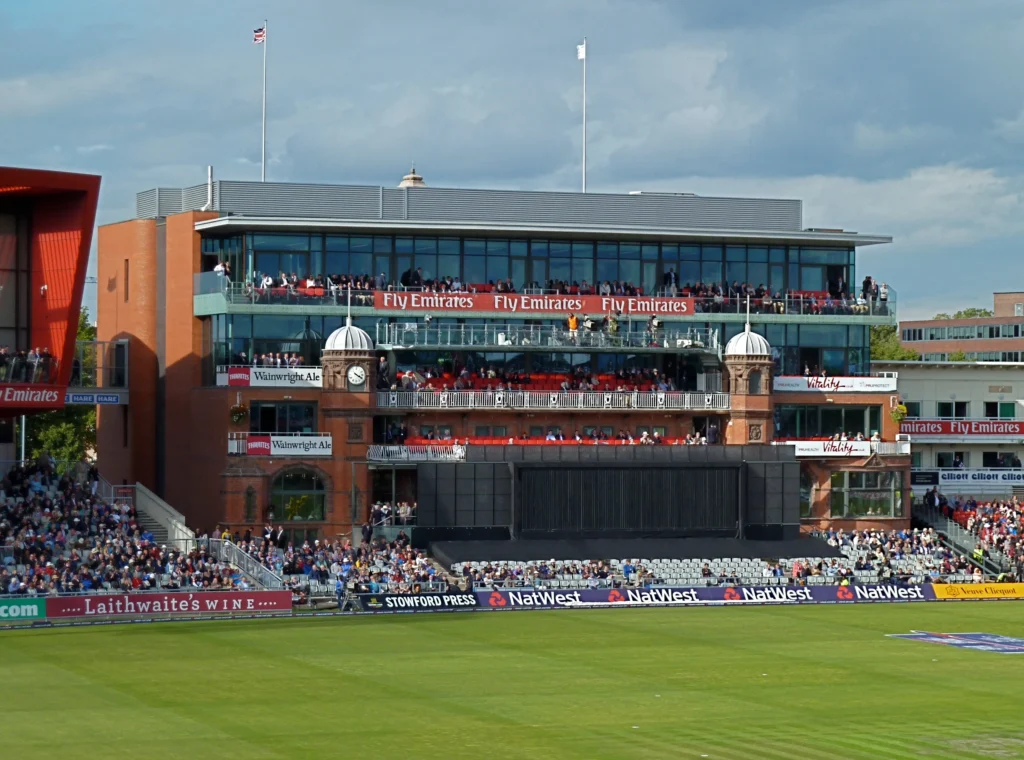
Old Trafford Cricket Ground, located in Manchester, is one of England’s most historic and well-known cricket venues. Established in 1857, it is one of the oldest Test grounds in the world and has played a significant role in the history of international cricket. The stadium is the home of Lancashire County Cricket Club and regularly hosts matches for the England cricket team.
With a seating capacity of around 26,000 spectators, Old Trafford combines tradition with modern infrastructure. The ground has undergone several renovations over the years, adding new stands, improved seating, and advanced facilities for players and media. Despite these upgrades, it has retained its historic charm, making it a favorite venue among cricket fans.
One of the most notable aspects of Old Trafford is its pitch condition. Unlike some other English grounds that heavily favor fast bowlers, Old Trafford is known for offering assistance to spin bowlers, especially in longer formats like Test matches. Early in the game, the pitch may provide some help to seam bowlers with movement and bounce. However, as the match progresses, the surface tends to dry out and break up, making it ideal for spinners.
This characteristic makes Old Trafford unique among English stadiums, where spin often plays a crucial role in deciding matches. Batters must adapt their technique depending on the stage of the game. In the early innings, they need to be cautious against fast bowlers, while later they must handle turn and variable bounce from spinners.
Old Trafford has hosted numerous memorable matches, including games in the ICC Cricket World Cup. It is also famous for historic Test matches, including dramatic Ashes encounters between England and Australia. The venue has witnessed some legendary performances that have shaped cricket history.
Weather conditions in Manchester often influence gameplay. Cloud cover and humidity can assist swing bowling, especially with the new ball. Rain interruptions are also common, which can affect pitch behavior and match outcomes. The outfield is generally well-maintained, though slightly slower compared to some other venues, requiring batters to rely more on timing than power.
From a player’s perspective, Old Trafford is a challenging yet rewarding ground. Bowlers who can adapt to changing conditions—both pace and spin—tend to perform well here. Batters who show patience and technique can build strong innings despite the varying pitch behavior.
The atmosphere at Old Trafford is lively, with passionate fans creating an energetic environment during international matches. The stadium is also equipped with modern amenities, including practice facilities and high-quality dressing rooms, ensuring a professional experience for players.
In conclusion, Old Trafford Cricket Ground is a historic and versatile venue that offers a unique balance of pace and spin conditions. Its rich history, evolving pitch behavior, and memorable matches make it one of the most respected cricket grounds in England.
Key Features
- Large stadium
- Regular Test venue
Pitch Report
- Supports spin bowling
- Slower surface
4. Headingley Cricket Ground (Leeds): The Complete Guide to History, Pitch Conditions, Records, Facilities, and Cricket Matches
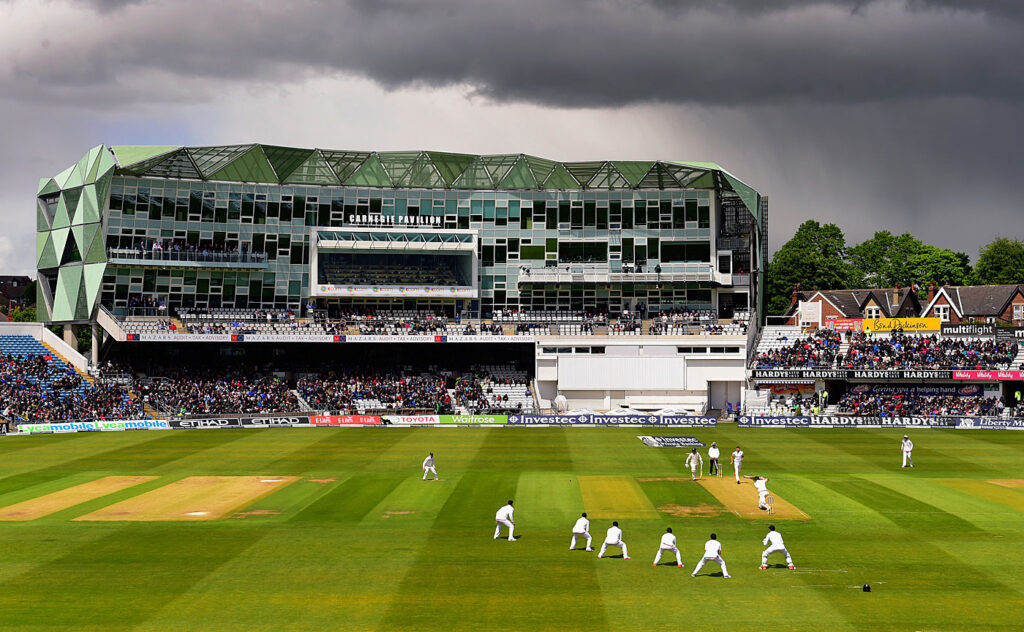
Headingley Cricket Ground, located in Leeds, is one of the most iconic and exciting cricket venues in England. Established in 1890, this historic ground has been the home of Yorkshire County Cricket Club and a regular venue for matches played by the England cricket team. Over the years, Headingley has built a reputation for hosting thrilling and often unpredictable matches.
The stadium has a seating capacity of around 18,000 spectators and offers a lively and passionate atmosphere. Unlike some larger grounds, Headingley provides an intimate experience where fans are close to the action, creating an energetic environment during international matches. The ground has been modernized with improved stands, media facilities, and player amenities while still maintaining its traditional charm.
One of the most defining features of Headingley is its pitch and weather conditions. The pitch is well known for assisting fast bowlers, especially in the early stages of a match. Due to the climate in Leeds, there is often moisture in the surface, and combined with cloud cover, this helps the ball swing significantly. This makes batting quite challenging at the start, and teams must be cautious when facing the new ball.
As the match progresses, the pitch tends to settle and become more batting-friendly. Once the initial movement reduces, batters can play their shots more freely and build partnerships. However, the conditions can change quickly depending on the weather, which adds an extra layer of unpredictability to matches played at Headingley.
Headingley has hosted many historic games, including matches in the ICC Cricket World Cup. One of the most famous moments at this venue was the remarkable Ashes Test where England achieved a dramatic comeback victory, showcasing the ground’s ability to produce unforgettable cricketing moments.
The outfield at Headingley is generally fast and well-maintained, allowing the ball to travel quickly to the boundary. This encourages attacking play once batters are settled. Fielders must be alert and agile due to the quick pace of the outfield.
From a player’s perspective, Headingley is a challenging yet rewarding ground. Fast bowlers who can swing the ball effectively often dominate early in the game. Batters, on the other hand, need strong technique, patience, and concentration to survive the initial phase before taking advantage of easier conditions later.
Weather plays a crucial role at Headingley. Overcast skies and cool temperatures often assist bowlers, while sunny conditions make batting easier. This constant change makes strategy very important for both teams.
In conclusion, Headingley Cricket Ground is a venue full of history, excitement, and unique playing conditions. Its swing-friendly pitch, passionate crowd, and memorable matches make it one of the most respected cricket grounds in England.
Key Features
- Famous for dramatic matches
- Swing-friendly conditions
Pitch Report
- Assists fast bowlers
- Early swing and seam
Edgbaston Cricket Ground (Birmingham): The Complete Guide to History, Pitch Conditions, Records, Facilities, and Cricket Matches
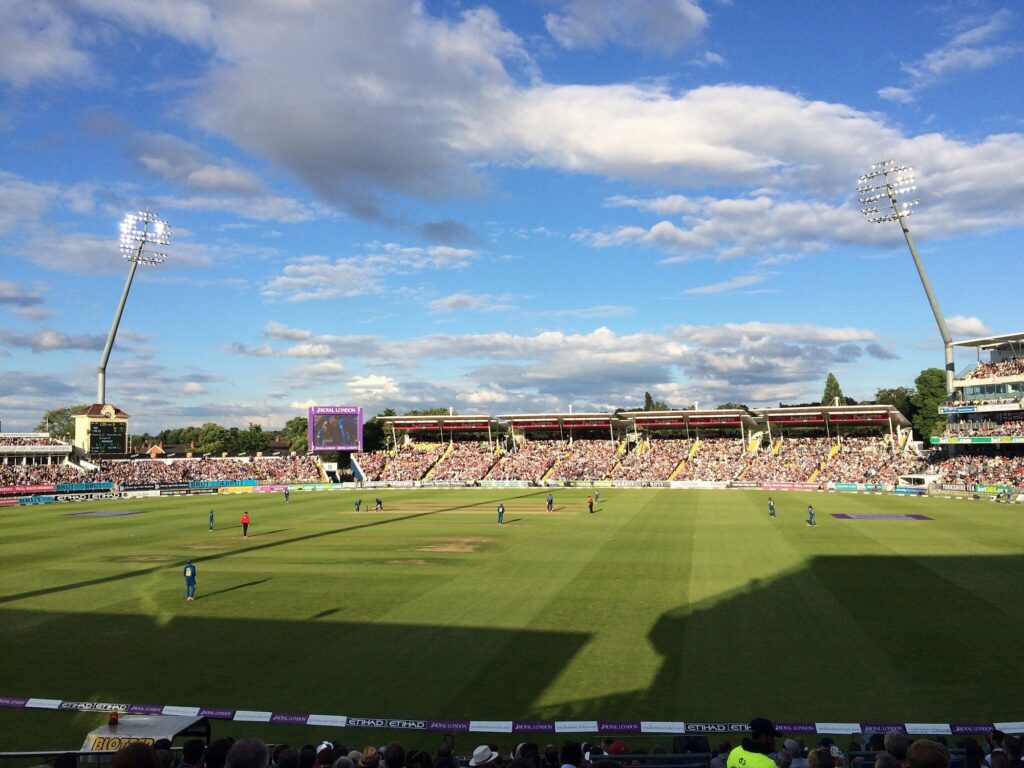
Edgbaston Cricket Ground, located in Birmingham, is one of England’s premier cricket venues and a regular host for international matches. Established in 1882, it serves as the home ground of Warwickshire County Cricket Club and is a key venue for the England cricket team. Over the years, Edgbaston has built a strong reputation for its vibrant atmosphere and high-quality cricket.
The stadium has a seating capacity of around 25,000 spectators and is known for its modern facilities combined with a rich cricketing tradition. It has undergone several renovations, making it one of the most well-equipped grounds in England. The stands are designed to provide excellent viewing angles, and the stadium is famous for its loud and passionate crowd, especially during major matches.
One of the standout features of Edgbaston is its pitch condition. The surface is generally considered balanced, offering assistance to both batters and bowlers. In the early stages of a match, fast bowlers can extract movement and bounce, especially under cloudy conditions. Swing bowling is often effective here, making the new ball phase crucial for both teams.
As the game progresses, the pitch becomes more favorable for batting. The bounce remains consistent, allowing batters to play strokes with confidence once they are settled. In longer formats like Test cricket, the pitch may wear slightly, bringing spinners into play during the later stages of the match. This balance makes Edgbaston an exciting venue where all types of players can contribute.
Edgbaston has hosted many memorable matches, including fixtures in the ICC Cricket World Cup. It is also known for hosting important Test matches and Ashes contests, where England has often performed strongly. The ground has witnessed several historic performances from both batters and bowlers.
The outfield at Edgbaston is fast and well-maintained, which supports attacking cricket. Well-timed shots often result in boundaries, encouraging batters to play aggressively once they get their eye in. Fielders must be quick and agile to prevent runs and save boundaries.
Weather conditions in Birmingham can influence the game significantly. Overcast skies can help seam and swing bowlers, while sunny conditions make batting easier. This variability adds an extra tactical element to matches played at this venue.
From a player’s perspective, Edgbaston is a rewarding ground. Bowlers who can adapt to changing conditions tend to succeed, while batters who show patience early on can take advantage of the later stages. The lively crowd also adds pressure and excitement, making it a great venue for competitive cricket.
In conclusion, Edgbaston Cricket Ground is a well-balanced and historic venue that offers something for everyone. Its combination of supportive pitch conditions, modern facilities, and passionate fans makes it one of the most important cricket stadiums in England.
Key Features
- Passionate crowd
- Modern facilities
Pitch Report
- Balanced conditions
- Supports both bat and ball
6. Trent Bridge Cricket Ground (Nottingham): The Complete Guide to History, Pitch Conditions, Records, Facilities, and Cricket Matches

Trent Bridge Cricket Ground, located in Nottingham, is one of the most picturesque and high-scoring venues in England. Established in 1838, it is among the oldest cricket grounds in the world and serves as the home of Nottinghamshire County Cricket Club. It is also a regular venue for matches played by the England cricket team, hosting Test matches, One Day Internationals, and T20 games.
With a seating capacity of around 17,500 spectators, Trent Bridge offers a compact yet vibrant cricketing atmosphere. The ground has been modernized with upgraded stands, improved facilities, and excellent viewing areas for fans. Despite these upgrades, it still retains its classic English charm, making it a favorite among both players and spectators.
One of the most important features of Trent Bridge is its pitch condition. The surface is generally known to be batting-friendly, especially in limited-overs formats. The pitch provides good bounce and pace, allowing batters to play their shots confidently. As a result, high-scoring matches are quite common at this venue, and teams often post big totals.
However, the pitch also offers assistance to bowlers, particularly early in the match. Fast bowlers can get swing and seam movement with the new ball, especially under overcast conditions. This makes the first few overs very important, as batters need to be cautious before settling in.
As the game progresses, the pitch becomes easier for batting. The consistent bounce helps players build long innings, and the fast outfield ensures that well-timed shots quickly reach the boundary. Spinners may get some assistance later in longer formats, but the pitch generally favors batters throughout the match.
Trent Bridge has hosted many memorable matches, including fixtures in the ICC Cricket World Cup. It is also known for record-breaking performances, such as extremely high team totals in One Day Internationals. These achievements highlight the batting-friendly nature of the ground.
The outfield at Trent Bridge is one of the fastest in England. This encourages attacking cricket, as boundaries are easier to score. Fielders must be quick and alert to stop runs, as even small mistakes can lead to extra runs.
Weather conditions in Nottingham play a key role in influencing the game. Cloud cover and humidity can help swing bowlers early on, while sunny conditions make batting more comfortable. This changing environment adds excitement and requires teams to adapt their strategies accordingly.
From a player’s perspective, Trent Bridge is an enjoyable ground. Batters benefit from the consistent pitch and quick outfield, while bowlers need to use skill and variation to succeed. Fast bowlers who can swing the ball early and spinners who maintain accuracy later in the game often perform well here.
In conclusion, Trent Bridge Cricket Ground is a balanced yet batting-friendly venue known for high-scoring matches and exciting cricket. Its combination of historic significance, excellent facilities, and lively atmosphere makes it one of the most important cricket stadiums in England.
Key Features
- Known for high scores
- Excellent outfield
Pitch Report
- Batting-friendly
- Slight help for bowlers
Pitch Conditions in England: Characteristics, Weather Effects, and Playing Conditions (2026)
Pitch conditions in England are among the most challenging in world cricket and often have a significant impact on match outcomes. English pitches are famous for assisting fast bowlers, particularly during the opening sessions of a match, because of the country’s cool climate, frequent rainfall, high humidity, and lush grass-covered surfaces.
Unlike the dry and spin-friendly pitches found in many Asian countries, English pitches generally provide seam movement, swing, and variable bounce, making batting difficult, especially with the new ball. As a match progresses and the pitch dries, batting conditions usually improve, although overcast weather can continue to help swing bowlers throughout the game.
General Characteristics of English Cricket Pitches
English pitches are prepared to provide a balanced contest between bat and ball, but they often favor pace bowlers during the early stages of a match.
Key Characteristics
- Natural grass cover that assists seam bowling.
- Higher moisture content because of frequent rainfall.
- Excellent conditions for conventional swing bowling.
- Significant seam movement with the new ball.
- Generally consistent bounce, although weather and pitch preparation can influence it.
- Batting usually becomes easier as the pitch dries and the ball gets older.
- Spin bowlers often become more effective later in long-format matches as the surface wears.
How Weather Affects Pitch Conditions in England
Weather plays a major role in determining how cricket pitches behave in England. Temperature, cloud cover, humidity, rainfall, wind, and sunshine can all influence the movement of the ball and the difficulty of batting. These effects can change throughout a match, particularly in Test cricket.
1. Cloudy and Overcast Conditions
Cloudy or overcast weather can create favorable conditions for seam and swing bowlers. Fast bowlers may get more movement through the air when conditions are suitable, while moisture and reduced sunlight can help maintain a favorable environment for seam bowling.
The Duke cricket ball, commonly used in English first-class and international cricket, is also known for retaining its seam relatively well, which can contribute to movement when conditions are favorable.
2. Rainfall and Pitch Moisture
Rain can increase moisture in the pitch and outfield, although the effect depends on how much rain falls and how well the ground drains.
A damp surface may:
- Encourage seam movement when play resumes.
- Make the ball behave differently off the pitch.
- Slow the outfield and reduce boundary-scoring opportunities.
- Make batting conditions challenging while the surface remains moist.
- Cause delays, interruptions, or reduced playing time if rainfall continues.
However, a wet pitch is not automatically easier for bowlers. Excessive moisture can sometimes make the surface slower and reduce the ball’s pace.
3. Humidity and Atmospheric Conditions
Humidity is often associated with swing bowling, but its effect should not be overstated. Air movement, atmospheric pressure, cloud cover, ball condition, and bowling technique can all influence how much the ball swings.
When conditions are favorable, skilled seam bowlers can exploit movement in the air and off the pitch, particularly with a relatively new ball.
4. Sunny and Dry Weather
Extended periods of sunshine can dry the surface and outfield. A firm, dry pitch may become more favorable for batting, particularly when there is less assistance from seam movement.
Under dry conditions:
- Seam movement may reduce.
- The ball can come onto the bat more consistently.
- Stroke play may become easier.
- The outfield can become faster.
- Spinners may become increasingly important as the pitch wears.
The exact effect depends on the pitch preparation, soil type, grass coverage, and match duration.
5. Wear and Tear During Long Matches
In multi-day cricket, especially Test matches, the pitch gradually changes as players repeatedly run across the surface and bowlers land in the same areas.
As the pitch wears:
- Bowler footmarks become more pronounced.
- The surface can develop cracks or rough areas.
- Bounce may become less predictable.
- Spin bowlers may find more grip and turn.
- Batting can become more challenging as the match progresses.
These changes are particularly important for spinners, who can target rough areas created by bowlers’ footmarks.
6. Wind and Temperature
Wind can influence bowling conditions, especially for seam and swing bowlers. A bowler may use the wind to support or oppose the natural movement of the ball.
Temperature can also affect how quickly the pitch and outfield dry. Warm, sunny weather generally promotes faster drying, while cool and damp conditions can help retain moisture for longer.
Overall Impact of English Weather on Cricket Pitches
There is no single type of English cricket pitch. Conditions can change significantly from one venue, season, or match day to another. Captains and players therefore consider the latest weather conditions, pitch appearance, moisture levels, and expected changes before deciding how to approach the game.
In general, cloudy and moist conditions may favor seam and swing bowling, while prolonged dry weather can produce firmer batting conditions and eventually increase the role of spin as the pitch deteriorates.
How English Pitches Affect Different Types of Bowlers
Fast Bowlers
English conditions are considered ideal for fast bowlers because they provide:
- Conventional swing
- Seam movement
- Bounce
- Carry to the wicketkeeper
These factors make England one of the best countries for pace bowling.
Spin Bowlers
Spin bowlers generally have a smaller role during the early stages of a match because the pitch contains more moisture.
However, as the pitch dries and wears, spinners become increasingly effective by generating:
- More turn
- Extra bounce
- Variable pace off the surface
Batting Conditions in England
Batting in England requires patience, sound technique, and good judgment outside the off stump.
Successful batters usually:
- Leave the ball well outside off stump.
- Play late under their eyes.
- Adjust to changing swing and seam conditions.
- Build innings patiently before playing attacking shots.
Key Takeaway
English cricket pitches are renowned for assisting fast bowlers through swing and seam movement, particularly during the early stages of a match. Factors such as grass cover, moisture, humidity, cloud cover, and rainfall play a major role in determining pitch behavior. As the surface dries and ages, batting generally becomes easier, while spin bowlers begin to play a greater role in longer formats like Test cricket. Understanding English pitch conditions helps players, coaches, and fans appreciate the tactical challenges of cricket played in England.
Total Cricket Stadiums in England
How Many International Cricket Stadiums Are There in England?
If you are asking how many international cricket stadiums are in England, the answer depends on what is counted as an international venue. England has a wide network of cricket grounds that host Test matches, One-Day Internationals (ODIs), and Twenty20 Internationals (T20Is). Some venues regularly host England matches, while others are used for international cricket on selected schedules.
Major international cricket grounds in England include Lord’s, The Kia Oval, Edgbaston, Headingley, Emirates Old Trafford, Trent Bridge, and Utilita Bowl. Other venues, such as Riverside in Durham, Bristol, and county grounds around the country, also host England international matches. The ECB’s international schedule shows that England matches are played across a broad range of venues rather than at only a small group of stadiums.
For this reason, there is no single permanent number that describes all international cricket stadiums in England for every season. The number can change depending on whether the list includes venues that host men’s internationals, women’s internationals, or different international formats.
In simple terms, England has many international cricket venues, with the most famous grounds regularly hosting major Test, ODI, and T20I matches. These grounds are also important parts of England’s domestic cricket structure and are used for county cricket when international matches are not being played.
The total international cricket stadiums in England should therefore be understood as a group of approved and regularly used cricket venues rather than a fixed list of only the country’s largest stadiums.
England has more than 20 major cricket stadiums that host international, county, and domestic matches. The country is home to some of the world’s most historic cricket venues, including Lord’s, The Oval, Old Trafford, Headingley, and Edgbaston. These stadiums are used for Test matches, One Day Internationals (ODIs), T20 Internationals (T20Is), and county cricket. Each ground has unique pitch conditions and playing characteristics that influence match results. Lord’s, known as the “Home of Cricket,” is the most famous stadium in England. The England and Wales Cricket Board (ECB) regularly hosts international tournaments and bilateral series across these venues. Besides the major international grounds, England also has numerous county cricket grounds that play an important role in developing domestic players and hosting first-class competitions. Overall, England’s extensive network of cricket stadiums makes it one of the leading cricket-playing nations in the world.
Working Principle of Cricket Stadiums
The working principle of cricket stadiums is based on maintaining a well-prepared playing surface and providing world-class facilities that ensure fair competition between batters and bowlers.
How Cricket Stadium Systems Work
- Pitch preparation using heavy rollers for compaction and leveling
- Regular watering and grass cutting to maintain pitch balance
- Boundary setup according to international cricket standards
- Drainage systems to remove excess rainwater efficiently
- Installation of seating, lighting, and safety arrangements for players and spectators
These systems ensure smooth match operations under different environmental conditions.
Types of Cricket Stadiums in England
England has many historic and modern cricket grounds that host international, domestic, and county matches. While stadiums are sometimes described as swing-friendly, batting-friendly, or balanced, pitch behavior is not permanently fixed. It can change according to pitch preparation, weather, grass coverage, soil conditions, and the format of the match.
1. Seam and Swing-Friendly Grounds
Some English grounds can provide favorable conditions for seam and swing bowling, particularly when the weather is cool, cloudy, or humid and the pitch has suitable grass coverage.
Example: Headingley
Headingley in Leeds has traditionally been associated with conditions that can assist seam and swing bowling, although its characteristics can vary from match to match.
Typical features may include:
- Early assistance for seam bowlers
- Movement through the air under favorable conditions
- Greater importance of accurate line and length
- Challenging batting during periods of significant movement
2. Batting-Friendly Grounds
Some grounds can produce relatively good batting surfaces, especially when the pitch is firm, well-prepared, and offers consistent bounce.
Example: The Oval
The Oval in London has hosted many high-scoring matches, although its pitch can behave differently depending on preparation and weather.
Batting-friendly conditions may provide:
- Consistent bounce
- Good pace off the surface
- Greater opportunities for stroke play
- Faster scoring when the ball stops moving
3. Balanced Cricket Grounds
Some English venues can provide a relatively balanced contest between bat and ball. These pitches may offer assistance to seamers with the new ball while becoming more favorable for batting as conditions change.
Example: Lord’s Cricket Ground
Lord’s in London is one of England’s most famous cricket venues. Its surface can provide different challenges throughout a match, making adaptability an important part of successful play.
A balanced pitch may require:
- Patience from batters
- Accurate bowling
- Effective field placement
- Tactical changes as conditions develop
Important: A stadium should not be considered permanently swing-friendly, batting-friendly, or balanced. The actual playing surface can differ between matches and seasons.
Player Roles and Stadium Impact
English playing conditions can influence how different players approach a match. Successful teams adapt their tactics according to the pitch, weather, ball condition, and stage of the game.
Batters
Batters may need to:
- Maintain concentration against movement
- Watch the ball closely from the bowler’s hand
- Play late when facing seam or swing
- Avoid unnecessary attacking shots early in the innings
- Adapt their technique as conditions change
On flatter pitches, batters may be able to play more attacking strokes and score at a faster rate.
Bowlers
Bowlers need to adapt their approach to the conditions.
Fast and seam bowlers may:
- Maintain a consistent line and length
- Target the area around the outside edge
- Use seam movement when available
- Adjust their angle and pace according to the pitch
Spin bowlers may become increasingly important when a pitch becomes dry or develops rough areas during a long match.
Fielders
Fielding remains important regardless of pitch type. Players need to:
- React quickly to edges and deflections
- Save runs in the outfield
- Maintain concentration throughout long innings
- Adjust field positions according to bowling plans
- Prepare for changing weather and ground conditions
Equipment Used in Cricket Stadiums
Modern cricket grounds in England use a combination of specialized ground-maintenance, match-management, and broadcasting equipment.
1. Pitch Rollers
Heavy and light rollers are used during pitch preparation to compact and prepare the playing surface. Ground staff select the appropriate roller according to the condition of the pitch and the stage of preparation.
2. Grass-Cutting and Pitch-Maintenance Equipment
Specialized mowers and turf-maintenance equipment help ground staff maintain the pitch and outfield. The height and condition of the grass can influence how the surface performs.
3. Electronic Scoreboards
Large electronic scoreboards display information such as:
- Team scores
- Wickets
- Overs
- Batter scores
- Bowling figures
- Required run rates
4. Floodlight Systems
Many major English cricket grounds have floodlights that allow matches to be played in reduced natural light and support day-night or evening fixtures where permitted by the competition.
5. Boundary and Pitch-Marking Equipment
Ground staff use measuring equipment, marking tools, boundary ropes, and other specialized equipment to maintain accurate playing areas and pitch markings.
6. Drainage Systems
Effective drainage is essential in England because rainfall can interrupt cricket matches. Modern grounds use advanced drainage systems to remove water from the playing area and help the surface recover after rain.
7. Covers
Ground covers protect the pitch from rain and excessive moisture during interruptions. Different covers may be used for the pitch, square, and other areas of the ground.
8. Pitch Monitoring Equipment
Ground staff may use moisture meters, weather-monitoring equipment, and other tools to assess surface and environmental conditions. This information helps them make informed decisions about pitch preparation and ground management.
How Stadium Conditions Affect Match Strategy
The combination of pitch characteristics, weather, ground dimensions, and match format can significantly influence team strategy in England.
For example, a team playing on a surface offering early seam movement may select additional seam-bowling options and adopt attacking field settings. On a flatter surface, teams may place greater emphasis on batting depth, boundary scoring, and defending against aggressive stroke play.
Therefore, understanding the specific conditions of a cricket ground is an important part of preparation for both players and captains.
Major Tournaments Hosted in England
England is one of the most important cricket hosting nations in the world and has hosted many prestigious international and domestic tournaments.
International Tournaments
- ICC Cricket World Cup
- ICC Champions Trophy
- ICC T20 World Cup matches (selected editions)
Domestic and Bilateral Series
- The Ashes (England vs Australia Test series)
- England home Test series against visiting nations
- County Championship matches
- ODI and T20 International series
England’s world-class stadium infrastructure, diverse pitch conditions, and rich cricket history make it one of the most important centers for international cricket.
Applications of Cricket Stadiums in England
Cricket stadiums in England are not only venues for matches but also serve multiple important roles in sports development, entertainment, and tourism. These stadiums are designed to support professional cricket, training activities, and fan engagement at both national and international levels.
1. Professional Cricket Matches
Cricket stadiums in England are primarily used for hosting high-level professional matches.
- International Test matches
- One Day Internationals (ODIs)
- T20 International matches
- Domestic competitions such as county cricket
- Major tournaments and championship games
These venues provide world-class facilities for players and ensure high-quality match conditions for competitive cricket.
2. Training and Player Development
Stadiums in England also play a key role in developing future cricket talent.
- Practice sessions for professional teams
- Training camps for national and county players
- Skill development programs for young athletes
- Use of nets, indoor academies, and practice pitches
- Performance analysis and coaching sessions
These facilities help players improve technical skills, fitness, and match readiness.
3. Fan Engagement and Entertainment
Cricket stadiums are major centers for entertainment and fan interaction.
- Live match viewing experience
- Large crowd gatherings during major events
- Digital scoreboards and replay systems
- Food courts, seating comfort, and hospitality areas
- Interactive fan zones and merchandise shops
This enhances the overall match-day experience for spectators.
4. Cricket Tourism and Economic Impact
English cricket stadiums attract visitors from around the world.
- Cricket tourism for historic venues like Lord’s
- Guided stadium tours and museum visits
- Boost to local hotels, restaurants, and transport
- Revenue generation through ticket sales and events
- Promotion of England as a global cricket destination
5. Media and Broadcasting Activities
Modern stadiums are equipped for global media coverage.
- Live television broadcasting
- Sports journalism and commentary setups
- High-definition camera systems
- Online streaming infrastructure
- Match analysis studios
This ensures worldwide access to cricket events.
Cricket stadiums in England serve as multifunctional sports hubs that support professional matches, player development, fan engagement, tourism, and media broadcasting. Their modern infrastructure and global importance make them a central part of international cricket culture.
Comparison Section
England vs Subcontinent Pitches
| Feature | England | Subcontinent |
|---|---|---|
| Swing | High | Low |
| Spin | Moderate | High |
| Bounce | Medium | Low |
| Batting | Challenging | Easier |
Selection Guide for Players
Playing cricket in England requires a well-planned approach due to its unique weather conditions and pitch behavior. Players must adapt their skills and preparation to perform consistently in these challenging environments.
How to Perform in English Conditions
- Practice swing and seam bowling conditions regularly
- Improve defensive batting technique for early movement
- Use proper cricket gear suitable for moisture and swing conditions
- Focus on timing and shot selection instead of aggressive play
- Develop strong footwork against fast bowling
- Train in overcast and damp conditions to simulate match situations
Common Problems and Solutions
English conditions can be difficult for both batsmen and bowlers. Understanding common challenges helps players improve performance effectively.
Problem: Difficulty Facing Swing Bowling
Solution:
- Play the ball late
- Keep eyes on the seam
- Improve hand-eye coordination
- Practice in swinging conditions regularly
Problem: Moist and Wet Pitch Conditions
Solution:
- Adjust footwork for balance
- Play closer to the body
- Use soft hands while batting
- Choose correct footwear for grip
Problem: Pressure from Fast Bowlers
Solution:
- Strengthen defensive technique
- Practice short-pitch deliveries
- Improve reaction time
- Stay calm and focused under pressure
Benefits of Playing in England
Playing cricket in England offers valuable experience that improves both physical and mental skills of players.
Physical Benefits
- Improves overall stamina and endurance
- Enhances hand-eye coordination
- Builds strength against fast bowling
- Develops better reflexes and agility
Mental Benefits
- Increases focus and concentration
- Develops patience and discipline
- Improves decision-making under pressure
- Builds confidence in challenging conditions
Interesting Facts About Cricket in England
- Lord’s Cricket Ground is known as the “Home of Cricket”
- England is considered the birthplace of modern cricket
- The first official international cricket match was played between England and Australia in 1877
- Many historic Ashes series matches have been played in England
- English conditions are considered among the most challenging for batsmen worldwide
Future Trends in Stadium Development
Modern cricket stadiums in England and around the world are evolving with advanced technology and fan-focused designs.
Smart Stadium Technology
- Real-time match analytics displays
- High-speed Wi-Fi connectivity for fans
- Digital ticketing and entry systems
Advanced Pitch Technology
- Improved drainage systems for rainy conditions
- Hybrid grass pitches for better durability
- Sensor-based pitch performance monitoring
Enhanced Fan Experience
- Large HD screens with live replays
- Interactive mobile apps for fans
- Better seating comfort and viewing angles
Sustainable Stadium Designs
- Solar-powered stadium facilities
- Rainwater harvesting systems
- Eco-friendly construction materials
- Energy-efficient lighting systems
These developments are transforming cricket stadiums into modern, intelligent, and environmentally friendly sports venues, improving both player performance and spectator experience.
Conclusion
Cricket stadiums in England are among the most historic and influential venues in the world. From Lord’s to Headingley, each ground offers unique conditions that challenge players and excite fans. The combination of swing-friendly pitches, rich history, and passionate crowds makes England a special place for cricket.
Understanding these stadiums helps players improve their performance and allows fans to appreciate the game more deeply. Whether it is a Test match or a limited-overs game, England’s cricket grounds always deliver high-quality and memorable cricket experiences.

Green Benn is a dedicated sports writer specializing in cricket, including IPL and international formats. Known for clear, engaging, and informative content, Green simplifies complex match analysis and player statistics for all readers. Passionate about sports storytelling, Green delivers reliable, SEO-friendly articles that keep fans updated and informed