
A No-Ball is one of the most important rules in cricket and can have a significant impact on the outcome of a match. Whether you are watching a Test match, One Day International (ODI), T20 game, or a local cricket competition, you will often hear umpires call a No-Ball during play. While it may seem like a simple penalty against the bowler, the rule has several conditions and consequences that affect both teams.
For beginners, understanding No-Balls can be confusing because there are different reasons why an umpire may declare one. A No-Ball can result from overstepping the crease, bowling dangerous deliveries, throwing instead of bowling, or violating other cricket laws. In modern cricket, No-Balls are especially important because they often provide batting teams with free runs and additional scoring opportunities.
Learning about the No-Ball rule helps players improve discipline, assists coaches in training bowlers, and allows fans to understand match situations more clearly. It is one of the key laws that ensures fairness and safety in cricket.
This comprehensive guide covers everything about No-Ball in cricket, including its history, rules, types, penalties, strategies, player roles, equipment, major tournaments, benefits of learning cricket, and interesting facts.
What Is a No-Ball in Cricket?
A No-Ball is an illegal delivery bowled by a bowler that violates one or more Laws of Cricket.
When a No-Ball is called, the batting team receives an extra run, and the delivery does not count as one of the six legal balls in the over.
Basic Definition
A No-Ball occurs when:
- The bowler oversteps the crease.
- The bowler throws rather than bowls.
- The delivery is dangerous or unfair.
- Fielding restrictions are violated.
- Other specific cricket laws are broken.
Simple Example
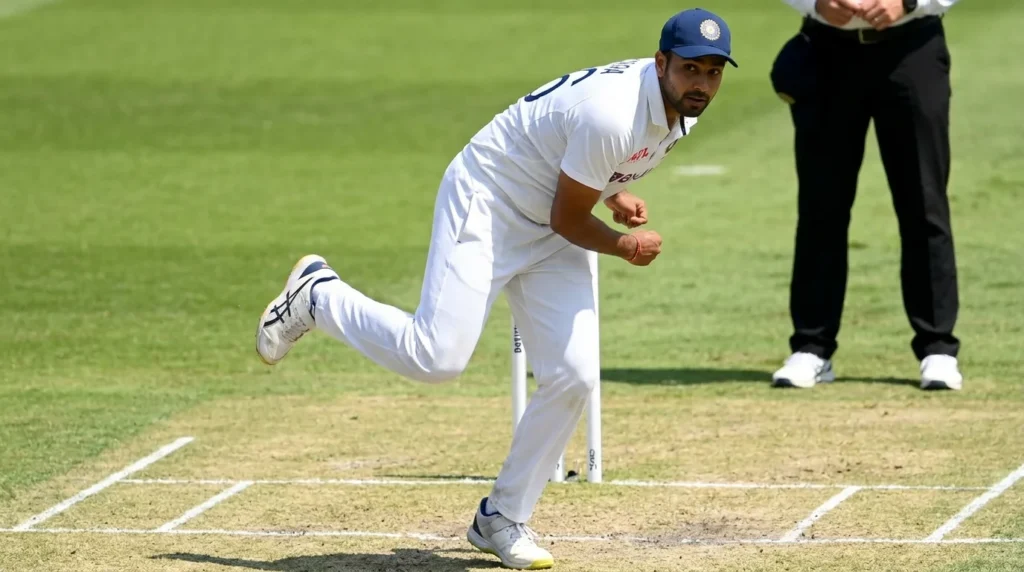
A fast bowler’s front foot lands beyond the popping crease during delivery. The umpire immediately calls “No-Ball,” awarding an extra run to the batting side.
History and Origin of the No-Ball Rule
The No-Ball rule has been part of cricket for many years.
Early Cricket Laws
In cricket’s early days, rules were introduced to ensure fair competition between bat and ball.
Officials needed a way to penalize bowlers who gained an unfair advantage.
Development of Modern Rules
As cricket evolved, the No-Ball law became more detailed. Governing bodies added rules covering dangerous bowling actions, unfair deliveries, and player safety.
Technology and No-Balls
Modern cricket uses television cameras and replay systems to detect very close front-foot No-Balls that might be difficult for umpires to see in real time.
Types of No-Balls in Cricket
Several situations can result in a No-Ball.
Front-Foot No-Ball
This is the most common type.
The bowler’s front foot lands beyond the popping crease before the ball is delivered.
Back-Foot No-Ball
The bowler’s back foot lands outside the return crease.
Throwing or Chucking
A bowler must use a legal bowling action.
If the umpire believes the bowler throws the ball rather than bowls it, a No-Ball is called.
Dangerous Short-Pitched Bowling
Repeated dangerous bouncers may result in No-Balls.
High Full Toss
A full toss above waist height can be ruled a No-Ball.
Fielding Restriction Violations
Incorrect field placements may also lead to a No-Ball.
Rules Governing No-Balls
Cricket has specific laws for No-Balls.
Legal Delivery Requirements
The bowler must:
- Stay within crease limits.
- Use a legal action.
- Deliver fairly.
Umpire’s Role
The umpire immediately signals a No-Ball when a violation occurs.
Additional Runs
The batting team automatically receives one extra run.
Ball Does Not Count
The delivery must be rebowled.
This often increases pressure on the bowling team.
Consequences of a No-Ball
A No-Ball creates several advantages for the batting team.
Extra Run Awarded
The batting side receives one run regardless of whether additional runs are scored.
Free Hit in Limited-Overs Cricket
In many white-ball formats, a front-foot No-Ball results in a Free Hit on the next delivery.
Additional Scoring Opportunities
Batters can score runs from the No-Ball delivery as normal.
Extra Delivery
Because the ball does not count in the over, the bowler must bowl another legal delivery.
What Is a Free Hit?
A Free Hit is one of the most exciting consequences of a No-Ball.
How It Works
After certain No-Balls, the next ball becomes a Free Hit.
Advantages for Batters
The batter cannot be dismissed in most conventional ways.
This encourages aggressive batting.
Impact on Matches
A Free Hit can change momentum and significantly increase scoring opportunities.
No-Ball and Dismissals
No-Balls affect dismissal possibilities.
Dismissals Not Allowed
A batter generally cannot be dismissed:
- Bowled
- Caught
- LBW
- Stumped
On a No-Ball delivery.
Dismissals Still Possible
The batter may still be dismissed through:
- Run Out
- Obstructing the field
- Hit the ball twice (under specific conditions)
Understanding these rules is important for players and fans.
Bowling Strategies to Avoid No-Balls
Disciplined bowlers work hard to prevent No-Balls.
Consistent Run-Up
A controlled run-up helps maintain proper foot placement.
Practice and Repetition
Bowlers regularly train their approach and delivery stride.
Body Control
Good balance improves accuracy.
Focus Under Pressure
Maintaining concentration reduces mistakes in crucial moments.
Batting Strategies Against No-Balls
Batters often change their approach after a No-Ball.
Aggressive Shot Selection
Knowing a Free Hit is coming encourages attacking cricket.
Capitalizing on Opportunities
Experienced batters maximize scoring chances.
Building Momentum
No-Balls can shift pressure onto the bowling team.
Player Roles in No-Ball Situations
Several players are involved when a No-Ball occurs.
Bowler
Responsible for delivering a legal ball.
Batter
Attempts to take advantage of scoring opportunities.
Wicketkeeper
Must remain alert for additional runs and fielding opportunities.
Captain
Helps bowlers maintain discipline and field placement.
Umpire
Makes the official No-Ball decision.
Equipment Used in Cricket
Equipment plays an important role in No-Ball situations.
Cricket Ball
The condition of the ball affects bowling performance.
Bat
Batters use the bat to maximize scoring opportunities after No-Balls.
Stumps and Bails
Remain central to gameplay and dismissals.
Protective Equipment
Includes:
- Helmet
- Pads
- Gloves
- Thigh guards
- Abdominal guard
Cricket Shoes
Proper footwear helps bowlers maintain control near the crease.
Major Cricket Tournaments Where No-Balls Matter
No-Balls often influence important matches.
ICC Cricket World Cup
Small mistakes can have major consequences in knockout games.
ICC T20 World Cup
A single No-Ball can completely change momentum.
ICC Champions Trophy
Teams focus heavily on bowling discipline.
ICC World Test Championship
Maintaining accuracy is critical over long periods.
Domestic T20 Leagues
Franchise tournaments frequently feature dramatic Free Hit moments.
Benefits of Playing Cricket
Learning cricket provides many physical and mental benefits.
Physical Benefits
- Improved fitness
- Better coordination
- Increased agility
- Stronger reflexes
- Enhanced endurance
Mental Benefits
- Strategic thinking
- Concentration
- Decision-making skills
- Patience
- Confidence
Social Benefits
- Teamwork
- Communication
- Leadership development
- Sportsmanship
Interesting Facts About No-Balls
Front-Foot No-Balls Are Most Common
Most No-Balls occur because bowlers overstep the crease.
Technology Helps Detection
Modern replay systems identify extremely close calls.
Free Hits Increase Excitement
Fans often enjoy the aggressive batting that follows.
One No-Ball Can Change a Match
A single mistake may alter the result of a game.
Professional Bowlers Practice Constantly
Elite bowlers spend hours perfecting their run-up and foot placement.
Common Mistakes Leading to No-Balls
Overstepping the Crease
This remains the leading cause of No-Balls.
Losing Rhythm
Poor timing in the run-up can affect foot placement.
Excessive Speed
Trying to bowl too fast may reduce control.
Technical Errors
Faulty bowling actions sometimes result in illegal deliveries.
Why the No-Ball Rule Is Important
The No-Ball law protects fairness and safety.
It prevents bowlers from gaining unfair advantages and encourages proper technique.
The rule also promotes disciplined bowling while creating exciting opportunities for batters.
Without the No-Ball law, cricket would become less balanced and less fair.
Conclusion
The No-Ball is one of cricket’s most important laws and plays a crucial role in maintaining fairness, discipline, and player safety. Whether caused by overstepping the crease, dangerous bowling, an illegal action, or fielding violations, a No-Ball provides the batting team with valuable advantages. These include an extra run, an additional delivery, and often a Free Hit in limited-overs cricket.
Understanding No-Balls helps players improve their techniques, allows coaches to teach proper bowling discipline, and enables fans to follow matches more effectively. Bowlers must focus on accuracy and control, while batters often use No-Ball opportunities to increase scoring rates.
From local matches to major tournaments such as the Cricket World Cup and T20 World Cup, No-Balls continue to influence results and create dramatic moments. They are an essential part of cricket’s laws and demonstrate the sport’s commitment to fairness and competitive balance. Learning the No-Ball rule gives players and fans a deeper appreciation of cricket and its many strategic elements.