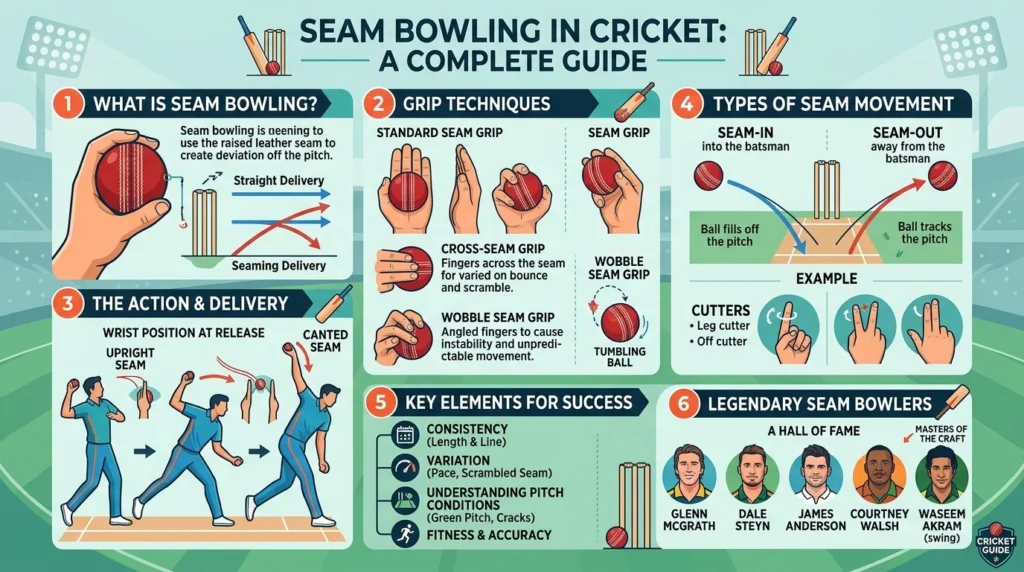
Seam bowling is one of the most important and skillful bowling techniques in cricket. It is a style of fast or medium-fast bowling where the bowler uses the raised seam of the cricket ball to create movement after the ball bounces on the pitch. Unlike swing bowling, which depends mainly on movement in the air, seam bowling focuses on movement off the surface of the pitch.
Seam bowlers play a major role in all formats of cricket, including Test matches, One Day Internationals (ODIs), and T20 cricket. Their main goal is to trouble batsmen through accuracy, bounce, pace, and unpredictable movement. Seam bowling becomes especially dangerous on grassy or damp pitches where the seam can grip the surface and change direction sharply.
This bowling technique requires control, discipline, physical fitness, and smart strategy. Many legendary fast bowlers such as Glenn McGrath, James Anderson, and Dale Steyn have mastered seam bowling and achieved great success in international cricket.
In this article, you will learn everything about seam bowling, including its history, techniques, types, rules, equipment, benefits, and major tournaments.
History and Origin of Seam Bowling
Early Development of Seam Bowling
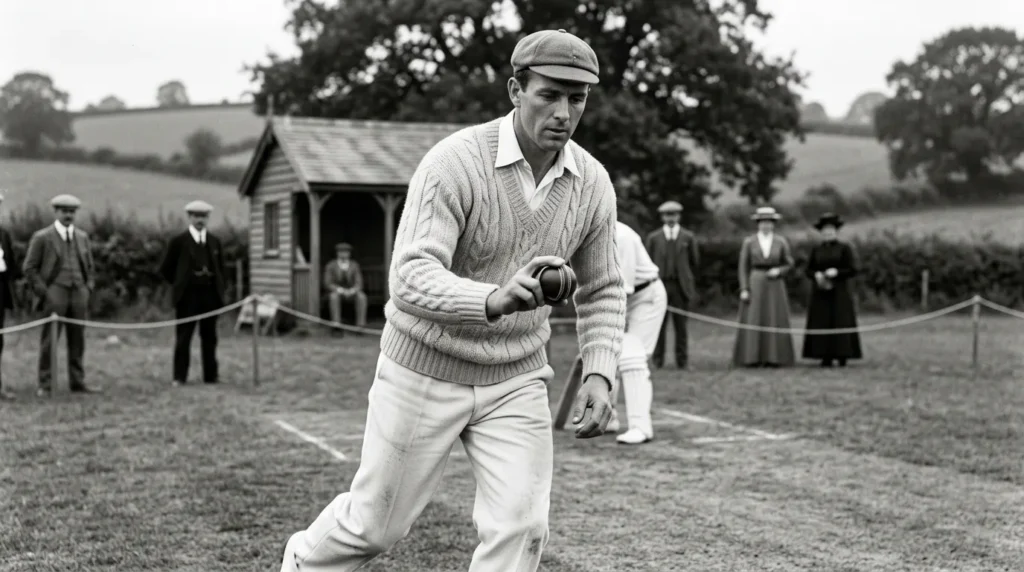
Seam bowling developed naturally as cricket evolved in England. Early bowlers noticed that the stitched seam of the cricket ball could influence movement after bouncing on certain pitches.
The early development of seam bowling played an important role in the evolution of cricket. In the early days of the sport, bowlers mainly focused on accuracy and basic pace to dismiss batters. As cricket became more competitive during the nineteenth century, players began experimenting with different bowling techniques to gain an advantage. One of these techniques was seam bowling, which involves using the raised seam of the cricket ball to create movement after the ball pitches on the ground. Bowlers discovered that if the seam landed upright on the pitch, the ball could deviate either to the left or right, making it much harder for batters to predict its path. This natural movement added a new dimension to bowling and increased the chances of taking wickets.
As cricket pitches varied in quality and condition, seam bowling became especially effective on grassy or uneven surfaces. Bowlers learned how to position the seam correctly and release the ball with precision to maximize movement. During the late nineteenth and early twentieth centuries, many professional cricketers refined the technique and demonstrated its effectiveness at higher levels of the game. Seam bowling gradually became a specialized skill that required control, consistency, and an understanding of pitch conditions. Coaches and teams started recognizing the value of seam bowlers, particularly in longer formats of cricket where patience and accuracy were essential. Over time, advancements in training methods and equipment further improved the effectiveness of seam bowling. Today, seam bowling remains one of the most important bowling styles in cricket and is widely used in Test matches, One Day Internationals, and T20 competitions. Its early development laid the foundation for modern fast bowling and continues to influence cricket strategies around the world.
Growth in International Cricket
As cricket spread globally, bowlers began using seam movement strategically. Countries like England, Australia, South Africa, and New Zealand became famous for producing world-class seam bowlers due to their pitch conditions.
Modern Seam Bowling
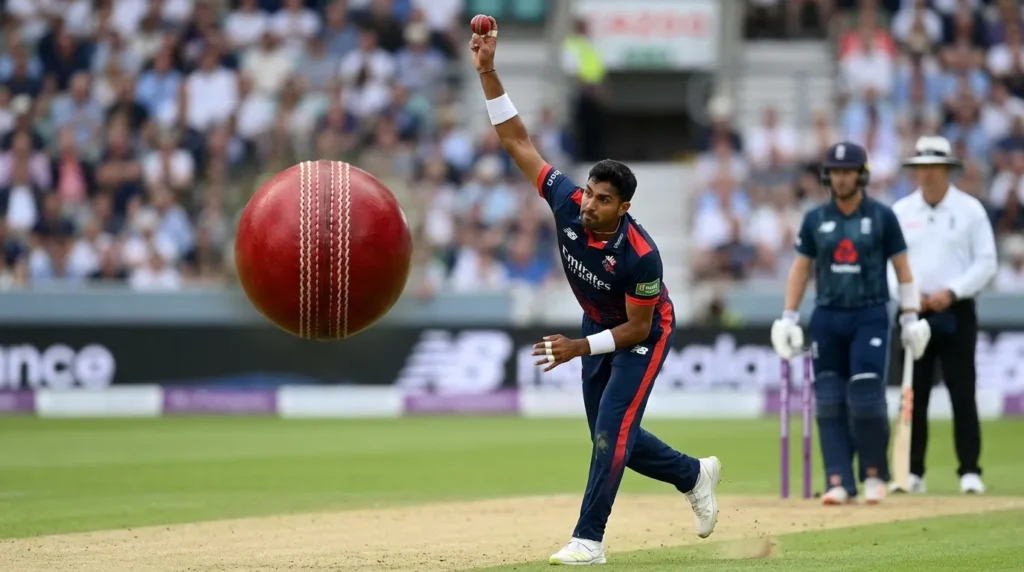
Modern seam bowling combines speed, fitness, biomechanics, and tactical planning. Today’s bowlers use advanced training methods to improve seam position and consistency.
Modern seam bowling is one of the most effective and widely used bowling techniques in cricket. It combines speed, accuracy, fitness, and advanced tactical planning to challenge batters at every level of the game. Seam bowling relies on the raised seam of the cricket ball to create movement after the ball pitches on the surface. Unlike swing bowling, which primarily depends on movement through the air, seam bowling takes advantage of pitch conditions to produce unpredictable deviations that can trouble even the most skilled batters.
In modern cricket, seam bowlers use highly refined techniques to maximize the effectiveness of each delivery. They focus on maintaining an upright seam position, consistent release point, and precise line and length. Advances in coaching, sports science, and video analysis have helped bowlers improve their skills and understand opponents more effectively. Seam bowlers now study batting techniques, pitch reports, and match conditions before developing bowling strategies. This preparation allows them to target weaknesses and build pressure over long spells.
Modern seam bowling is important in all formats of cricket, including Test matches, One Day Internationals, and T20 games. In Test cricket, seam bowlers often exploit changing pitch conditions and wear on the ball to create movement. In limited-overs cricket, they use variations such as slower balls, cutters, and yorkers alongside traditional seam deliveries. Fitness has also become a major factor, as bowlers must maintain speed and accuracy throughout demanding matches and tournaments.
Many of the world’s most successful fast bowlers have built their careers on exceptional seam bowling skills. Today, seam bowling remains a key component of cricket strategy, helping teams take wickets, control scoring rates, and gain an advantage in competitive matches around the world.
What is Seam Bowling?
Seam bowling is a bowling technique where the ball lands on its seam after pitching, causing unpredictable movement off the surface.
Seam Bowling Meaning
Meaning: Seam bowling means using the seam of a cricket ball to create movement after it pitches on the surface.
Seam bowling is a bowling technique where the ball lands on its seam after pitching, causing unpredictable movement off the surface. It is a technique that uses the raised seam of the cricket ball to create movement after the ball pitches on the surface.Seam bowling is a bowling technique where the ball lands on its seam after pitching, causing unpredictable movement off the surface. Seam bowling in cricket uses the raised seam of the ball and its interaction with the pitch to create movement after the ball bounces.
Seam bowling is a bowling technique in cricket that uses the raised seam of the cricket ball to create movement after the ball bounces on the pitch. It is commonly used by fast and fast-medium bowlers to make the ball deviate unpredictably, making it more difficult for batters to play their shots accurately. Unlike swing bowling, which relies mainly on movement through the air, seam bowling depends on how the ball interacts with the pitch surface after landing.
A seam bowler meaning refers to a bowler who uses the seam of the cricket ball and pitch conditions to create movement. Seam bowlers rely on seam position, wrist control, line, and length to make the ball deviate after pitching.
To bowl a seam delivery, the bowler grips the ball so that the seam remains upright during its flight. When the ball lands on the seam, it can move slightly to either side depending on the pitch conditions, seam position, and angle of delivery. This movement can deceive the batter and increase the chances of taking wickets.
Seam bowling is particularly effective on pitches that have grass, moisture, or uneven surfaces. Such conditions help the seam grip the pitch and generate extra movement. Bowlers must maintain excellent control, accuracy, and consistency to use this technique successfully.
Many of the world’s greatest fast bowlers have relied on seam bowling to achieve success. It is an important part of modern cricket and is used in all formats of the game, including Test matches, One Day Internationals (ODIs), and Twenty20 (T20) cricket. Seam bowling remains a valuable weapon for teams because it creates uncertainty for batters and helps bowlers take crucial wickets throughout a match.
Simple Explanation
The cricket ball has a raised stitched seam in the middle. Seam bowlers try to keep this seam upright while delivering the ball. When the ball hits the pitch on the seam, it may move sideways.
Main Objective
The purpose of seam bowling is to:
- Beat the batsman’s defense
- Create edges for catches
- Hit the stumps
- Force mistakes
How Seam Bowling Works
The Role of the Seam
The raised seam acts like a guide when the ball hits the pitch.
The seam meaning in cricket refers to the raised stitched line around the middle of a cricket ball. This seam plays an important role in seam bowling because bowlers use its position and contact with the pitch to create movement and variationWhat does seam mean in cricket? It refers to the raised stitched line around the middle of the cricket ball, which can help bowlers create movement when the ball lands on the pitch.
The seam is one of the most important parts of a cricket ball and plays a crucial role in seam bowling. It is the raised line of stitching that runs around the center of the ball, joining its two leather halves together. Seam bowlers use this raised surface to create movement after the ball pitches on the ground.
When a bowler releases the ball with the seam positioned upright, the ball can land directly on the seam. As it hits the pitch, the seam may grip the surface and cause the ball to deviate either toward or away from the batter. This movement makes it more difficult for batters to predict the ball’s path and play accurate shots.
The effectiveness of the seam depends on factors such as pitch conditions, ball condition, and the bowler’s skill. Grass-covered or slightly damp pitches usually provide more seam movement than dry, flat surfaces. A well-maintained seam also helps bowlers generate greater deviation. Because of its ability to create uncertainty and increase wicket-taking opportunities, the seam remains a vital element of fast and seam bowling in modern cricket.
Pitch Interaction
Different pitch conditions affect seam movement:
- Green pitches = more seam movement
- Dry pitches = less seam movement
Ball Movement
After pitching:
- Ball may move away
- Ball may move inward
- Ball may bounce unevenly
This makes batting difficult.
Types of Seam Bowling
Seam Bowling Variations
Meaning: Seam bowling variations are the different techniques used by bowlers to create movement and variation, including upright seam, wobble seam, cross seam, and cutters.
Upright Seam Bowling
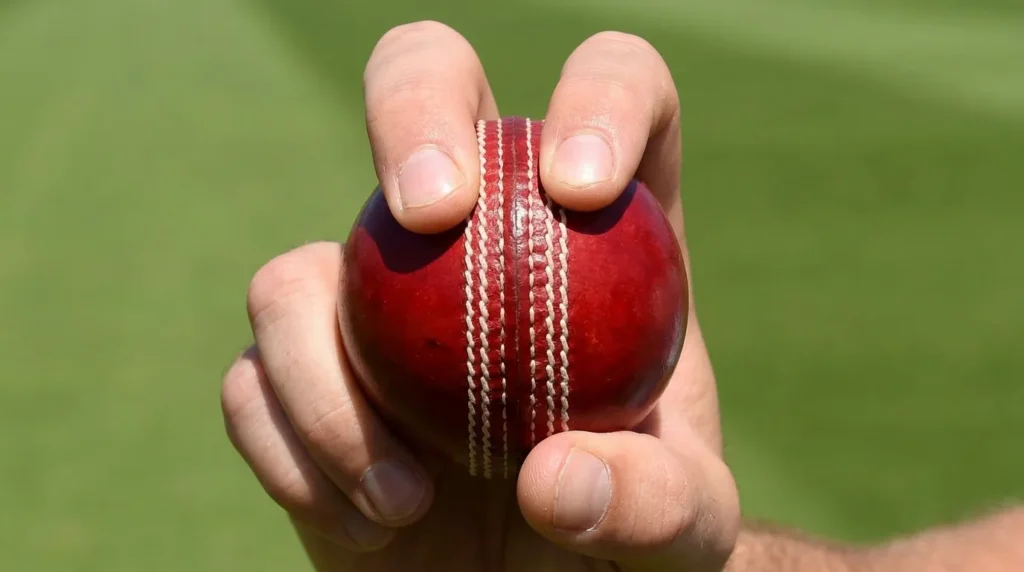
This is the most common seam bowling style.
Upright seam bowling is a fundamental technique in cricket that involves releasing the ball with the seam positioned vertically as it travels toward the batter. This method is widely used by fast and fast-medium bowlers because it increases the chances of generating seam movement after the ball pitches. By keeping the seam upright and stable during flight, bowlers can make the ball behave unpredictably off the surface, creating difficulties for batters.
The key to successful upright seam bowling is maintaining a consistent grip and release. Bowlers place their fingers along either side of the seam and ensure that the wrist remains firm at the point of delivery. When executed correctly, the seam stays in an upright position throughout the ball’s journey. If the ball lands directly on the seam, it can deviate either toward or away from the batter depending on the pitch conditions and angle of delivery.
Seam bowling includes different variations that can help bowlers create movement after the ball pitches. A seamer variation off the pitch occurs when the ball deviates or moves after making contact with the playing surface. Common variations include upright seam, wobble seam, cross seam, and cutters.
Upright seam bowling is particularly effective on pitches that contain grass, moisture, or natural unevenness. These surfaces help the seam grip the pitch and produce additional movement. Even a small deviation can be enough to beat the batter’s defense or create an edge that can be caught by fielders.
Many successful fast bowlers have built their careers around the ability to bowl with a consistently upright seam. This technique requires excellent control, balance, and repetition during training. In modern cricket, coaches place great emphasis on teaching young bowlers how to maintain seam position because it forms the foundation of effective seam and swing bowling. Whether in Test cricket, One Day Internationals, or T20 matches, upright seam bowling remains a valuable skill that helps bowlers take wickets, build pressure, and contribute significantly to their team’s success.
Features
- Seam stays vertical
- Ball moves off the pitch
- Excellent control and accuracy
Wobble Seam Bowling
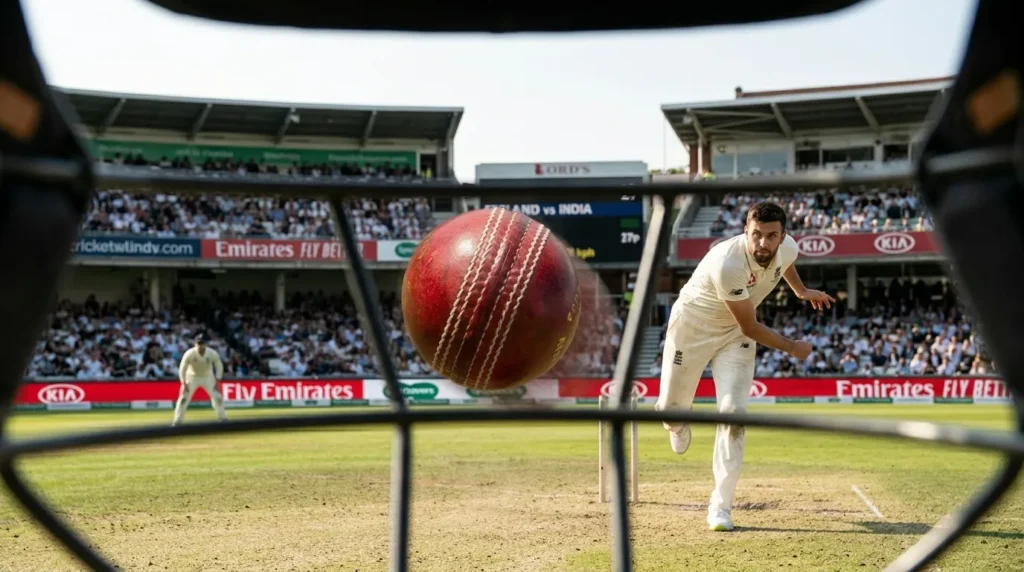
The seam is slightly unstable during delivery.
Wobble seam bowling is a modern cricket technique in which the bowler releases the ball with the seam slightly unstable rather than perfectly upright. Unlike traditional seam bowling, where the seam remains fixed in one position, the seam in a wobble seam delivery moves or “wobbles” during its flight. This creates uncertainty for the batter because the ball can behave differently after pitching, making it more difficult to predict its movement.
To bowl a wobble seam delivery, the bowler grips the ball in a way that allows the seam to rotate slightly while still maintaining control and accuracy. The seam does not point in a single direction throughout the ball’s journey. As a result, when the ball lands on the pitch, it may move either toward or away from the batter depending on how the seam contacts the surface. This unpredictability is one of the main reasons why wobble seam bowling has become popular among modern fast bowlers.
The technique is particularly effective on pitches that offer seam movement. Even when conditions do not favor conventional swing bowling, a wobble seam delivery can still create enough deviation to trouble batters. It is often used to force mistakes, induce edges, and create wicket-taking opportunities.
Many international fast bowlers have successfully incorporated wobble seam bowling into their game because it adds variation to their bowling attack. It is especially useful in Test cricket, where bowlers aim to maintain pressure over long periods. Mastering wobble seam bowling requires practice, a strong wrist position, and a consistent release. Today, it is considered one of the most valuable skills in modern fast bowling, helping bowlers remain effective in different pitch and weather conditions while keeping batters uncertain about the ball’s behavior.
Features
- Creates unpredictable bounce
- Difficult for batsmen to read
- Popular in modern Test cricket
Cross Seam Bowling
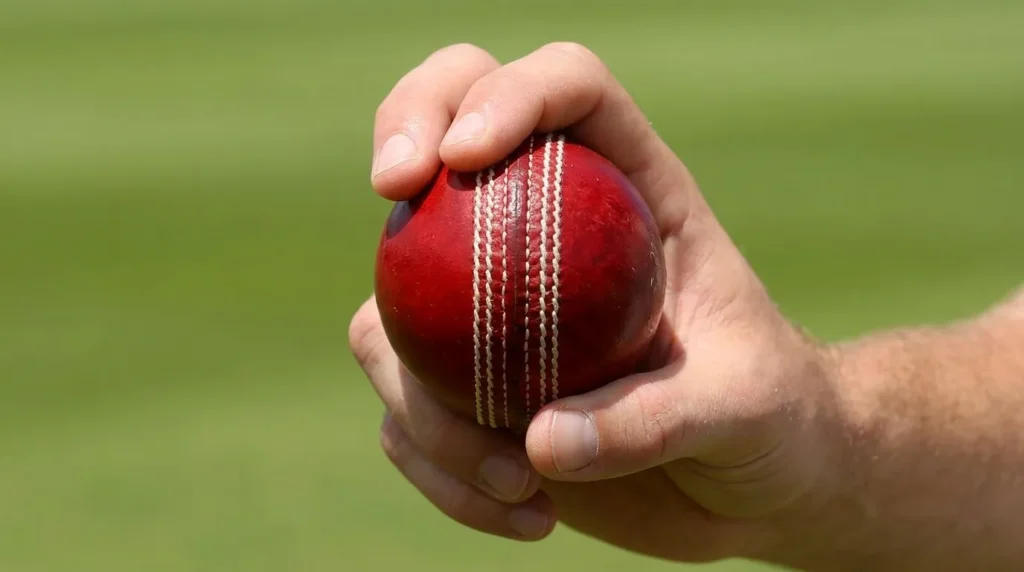
5. cross seam bowling meaning
Meaning: Cross seam bowling means delivering the ball with the seam positioned across the direction of travel, which can produce unpredictable bounce from the pitch.
Cross seam bowling is a variation used by fast and fast-medium bowlers in cricket in which the ball is delivered with the seam positioned horizontally rather than vertically. Unlike traditional seam bowling, where the seam is kept upright to create movement off the pitch, cross seam bowling aims to produce unpredictable bounce and variation by allowing different parts of the ball to strike the surface.
cross seam bowling grip
Meaning: In a cross-seam delivery, the ball is gripped across the seam so that the seam travels in a horizontal position.
To bowl a cross seam delivery, the bowler grips the cricket ball across the seam and releases it so that the seam remains horizontal during flight. When the ball lands on the pitch, it may bounce differently depending on which part of the ball makes contact with the ground. This can result in uneven bounce, making it difficult for batters to judge the height and direction of the delivery.
Cross seam bowling is particularly useful on dry, cracked, or uneven pitches where the surface can create extra unpredictability. It is also commonly used when the ball is older and no longer producing significant swing or seam movement. By using a cross seam delivery, bowlers can introduce variation into their attack and force batters to make mistakes.
Many fast bowlers use cross seam bowling as a surprise weapon, especially in limited-overs cricket. It can be effective during middle overs when bowlers are looking to break partnerships or slow the scoring rate. In Test cricket, it is often used to exploit rough patches and worn surfaces.
Although cross seam bowling may not generate the same controlled movement as upright seam bowling, it remains a valuable tactical option. When used at the right time and under suitable conditions, it can create uncertainty, produce awkward bounce, and increase the chances of taking wickets. As a result, cross seam bowling continues to be an important variation in modern cricket.
Features
- Produces uneven bounce
- Useful on dry pitches
- Effective in limited-overs cricket
Cutters
Cutters are slower seam deliveries.
Cutters are a type of variation delivery used by fast and medium-pace bowlers in cricket to deceive batters by changing the direction and speed of the ball after it pitches. Unlike conventional seam bowling, where the ball moves naturally off the seam, cutters are intentionally bowled with a specific finger action that causes the ball to spin slightly and deviate off the pitch. They are particularly effective on slow, dry, or worn surfaces where the pitch can assist movement.
There are two main types of cutters: the off-cutter and the leg-cutter. An off-cutter is delivered by rolling the fingers down the side of the ball, causing it to move from the off side toward the leg side for a right-handed batter. A leg-cutter works in the opposite direction, moving from the leg side toward the off side. The slight spin generated by the bowler makes the ball grip the pitch and change direction unexpectedly.
Cutters are widely used in modern cricket, especially in One Day Internationals (ODIs) and T20 matches. They help bowlers reduce the pace of the ball while maintaining a similar bowling action, making it difficult for batters to identify the variation. When batters attempt aggressive shots, cutters can cause mistimed strokes, leading to catches or other wicket-taking opportunities.
Many successful fast bowlers have mastered cutters as part of their bowling arsenal. These deliveries are valuable because they provide variation, break partnerships, and control scoring rates. In modern cricket, cutters remain one of the most effective weapons for bowlers looking to outsmart batters and adapt to different playing conditions.
Off Cutter
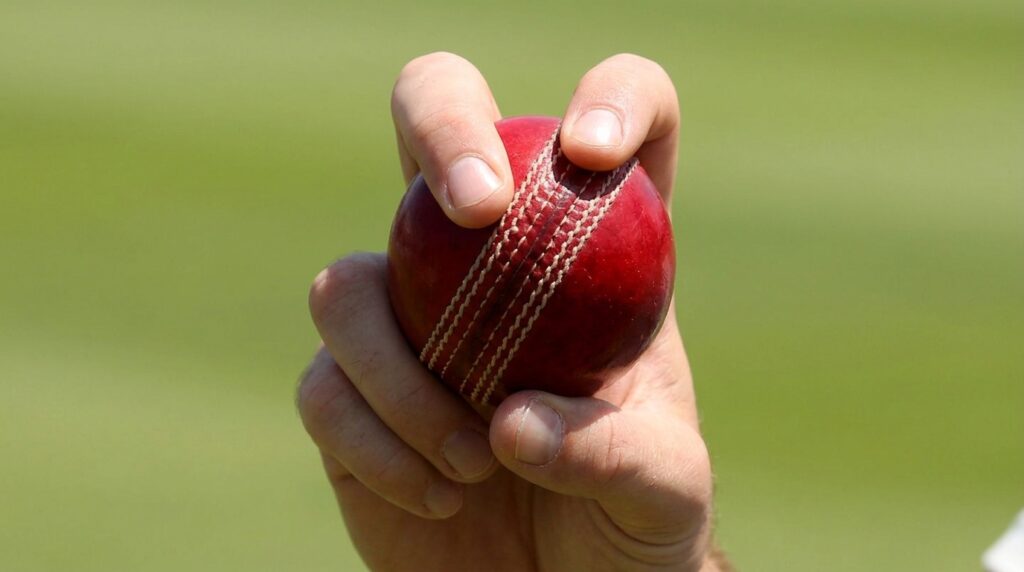
Ball moves from off side toward leg side.
An off cutter is a variation delivery used by fast and medium-pace bowlers in cricket to create movement off the pitch and deceive batters. It is one of the most effective slower variations because it combines seam bowling with a slight spinning action. The primary purpose of an off cutter is to make the ball change direction after bouncing, making it difficult for the batter to judge the line, length, and timing of the delivery.
To bowl an off cutter, the bowler grips the cricket ball similarly to a standard seam delivery but applies additional pressure with the fingers at the moment of release. The fingers roll down the side of the ball, creating a slight spin. For a right-handed batter, the ball typically moves from the off side toward the leg side after pitching. This movement can cause the batter to misjudge the shot, leading to edges, mistimed strokes, or dismissals.
Off cutters are particularly effective on dry, slow, or worn pitches where the surface helps the ball grip and turn. They are widely used in limited-overs cricket, especially during the middle and death overs, when batters are looking to score quickly. Because the delivery often arrives slightly slower than a normal fast ball, it can disrupt the batter’s timing and force mistakes.
Many successful fast bowlers have relied on off cutters as an important part of their bowling strategy. The delivery is valuable because it adds variation without requiring a major change in bowling action, making it harder for batters to detect. In modern cricket, the off cutter remains a key weapon for controlling scoring rates, building pressure, and taking crucial wickets in all formats of the game.
Leg Cutter
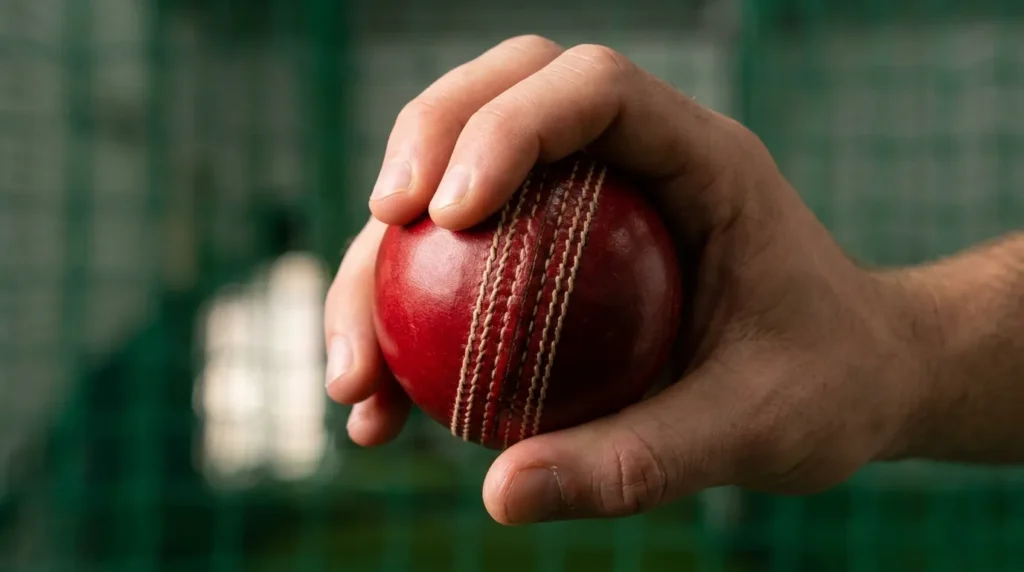
Ball moves from leg side toward off side.
A leg cutter is a popular variation delivery used by fast and medium-pace bowlers in cricket. It is designed to make the ball move away from a right-handed batter after pitching, creating uncertainty and increasing the chances of taking a wicket. Unlike a standard seam delivery, a leg cutter is bowled with a special finger action that generates slight spin on the ball. This spin causes the ball to deviate off the pitch, making it harder for the batter to judge its direction and timing.
To bowl a leg cutter, the bowler grips the ball similarly to a normal seam delivery but rolls the fingers down the outside of the ball at the moment of release. This action creates spin and helps the ball move from the leg side toward the off side after bouncing. The amount of movement depends on pitch conditions, seam position, and the skill of the bowler. Dry or worn pitches usually provide greater assistance for leg cutters because the ball can grip the surface more effectively.
One of the main advantages of a leg cutter is its ability to deceive batters without requiring a major change in bowling action. Since the delivery often looks like a regular fast ball, batters may struggle to identify the variation. The slight reduction in pace can also disrupt timing, leading to mistimed shots, edges, and catches. For this reason, leg cutters are widely used in limited-overs cricket, especially during the middle and death overs.
In modern cricket, leg cutters are considered an important weapon for bowlers. They help control the scoring rate, create pressure, and generate wicket-taking opportunities. Many successful international bowlers have used leg cutters effectively throughout their careers. Whether in Test matches, One Day Internationals, or T20 cricket, the leg cutter remains a valuable variation that can make a significant difference in a bowler’s performance and contribute to the success of the team.
Seam Bowling Techniques
Grip Technique
A proper grip is essential.
Correct Grip
- Fingers close to seam
- Thumb underneath
- Relaxed wrist position
Run-Up
The run-up generates momentum.
Key Points
- Smooth approach
- Balanced body movement
- Controlled speed
Seam Position
Keeping the seam upright is extremely important.
Benefits
- Better movement
- Improved accuracy
- Consistent bounce
Wrist Position
A straight wrist helps maintain seam control.
Common Mistake
Bent wrist reduces seam effectiveness.
Follow Through
The follow-through ensures balance and injury prevention.
Importance
- Maintains bowling rhythm
- Reduces body stress
- Improves control
Regular seam bowling drills help bowlers improve seam position, wrist control, accuracy, and consistent line and length. Target bowling and upright-seam practice can help develop better control and consistency.
Rules Related to Seam Bowling
Fair Delivery
The bowler’s front foot must stay behind the popping crease.
No Ball Rule
Overstepping results in a no-ball.
Dangerous Bowling
Excessive bouncers or unsafe deliveries may be penalized.
Ball Condition Rules
Players cannot illegally damage the ball.
Role of Seam Bowlers in Cricket
What is a seam bowler in cricket? Seam bowlers are bowlers who make seam movement an important part of their bowling. They use the seam position, wrist control, line, length, and pitch conditions to create movement and make it difficult for batters to play their shots.
Opening Bowlers
Seam bowlers often start the innings because the new ball provides maximum movement.
Middle Overs Specialists
They control scoring and build pressure.
Death Overs Bowlers
Some seam bowlers use slower cutters and yorkers in final overs.
cricket ball seam movement
Meaning: When a cricket ball moves sideways after hitting the seam on the pitch, it is called seam movement.
Equipment Used in Seam Bowling
Cricket Ball
The seam quality directly affects movement.
Bowling Shoes
Special shoes provide grip and support.
Protective Gear
Includes:
- Arm guards
- Fitness support bands
- Compression clothing
Practice Equipment
- Bowling cones
- Training nets
- Video analysis tools
Major Seam Bowling Strategies
Line and Length Bowling
Good seam bowlers focus on consistent areas outside off stump.
Using Pitch Conditions
They study:
- Grass coverage
- Moisture
- Cracks on pitch
Creating Pressure
Repeated accurate deliveries force batsmen into mistakes.
Mixing Deliveries
Changing pace and seam angles creates confusion.
Famous Seam Bowlers in Cricket
Glenn McGrath
Known for perfect line and length.
James Anderson
One of the greatest swing and seam bowlers in history.
Dale Steyn
Famous for aggression, pace, and seam control.
Mohammed Shami
Known for upright seam position and reverse seam movement.
Major Cricket Tournaments Featuring Seam Bowling
ICC Cricket World Cup
Seam bowlers often dominate in English conditions.
ICC World Test Championship
Test cricket heavily rewards seam bowling skills.
Indian Premier League
Fast bowlers use seam variations in T20 cricket.
Benefits of Seam Bowling
Physical Benefits
- Builds stamina
- Improves muscle strength
- Enhances coordination
Mental Benefits
- Develops patience
- Improves concentration
- Enhances tactical thinking
Team Benefits
- Creates wicket-taking opportunities
- Controls run rate
- Builds pressure on batsmen
Common Mistakes in Seam Bowling
Poor Seam Position
Reduces movement effectiveness.
Overusing Speed
Accuracy is often more important than pace.
Inconsistent Line and Length
Makes bowling easier to attack.
Weak Fitness
Seam bowling requires strong endurance.
Interesting Facts About Seam Bowling
- Even a small seam angle can change ball movement.
- Cloudy weather can help seam and swing bowling together.
- Test cricket pitches often favor seam bowlers early in matches.
- Some seam bowlers can move the ball both ways from the same action.
- Seam bowling is considered one of cricket’s most technical skills.
Difference Between Seam Bowling and Swing Bowling
The difference between pace and seam is that pace mainly refers to the speed of the cricket ball, while seam refers to the movement created when the ball interacts with the pitch after bouncing. A bowler can use high pace and seam movement together to make the delivery more difficult for the batter.
| Feature | Seam Bowling | Swing Bowling |
|---|---|---|
| Movement Type | Off the pitch | In the air |
| Main Factor | Seam hitting surface | Air pressure |
| Best Conditions | Green pitches | Humid weather |
| Ball Condition | New or slightly used | Mostly shiny ball |
Future of Seam Bowling
Seam bowling continues to evolve with sports science and technology. Modern bowlers use video analysis, biomechanics, and fitness programs to improve performance. T20 cricket has also introduced new seam variations like wobble seam and slower cutters.
Despite the growth of aggressive batting, seam bowling remains one of the most effective wicket-taking methods in cricket.
Conclusion
Seam bowling is a highly skilled and exciting part of cricket that combines pace, accuracy, movement, and strategy. It plays a crucial role in all formats of the game and can completely change the outcome of a match.
From upright seam deliveries to wobble seam techniques, seam bowlers use intelligence and discipline to challenge batsmen. Understanding pitch conditions, seam position, and bowling strategy is essential for becoming a successful seam bowler.
Whether you are a beginner, student, player, or cricket fan, learning about seam bowling provides deeper knowledge of one of cricket’s most important bowling arts.

Green Benn is a dedicated sports writer specializing in cricket, including IPL and international formats. Known for clear, engaging, and informative content, Green simplifies complex match analysis and player statistics for all readers. Passionate about sports storytelling, Green delivers reliable, SEO-friendly articles that keep fans updated and informed